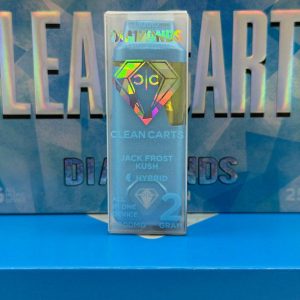



Fade 3-in-1 Disposable 2G V3 — Informational Overview
The Fade 3-in-1 Disposable 2G V3 represents a category of modern disposable vapor devices designed around convenience, portability, and multi-feature functionality. Devices in this category typically combine a compact structure with integrated hardware components intended to provide a simple user experience.
The “3-in-1” design concept generally refers to a device format that incorporates multiple options within one unit. This type of design has become increasingly common because it allows users to access different settings, blends, or configurations through a single device rather than carrying multiple separate units.
Modern disposable devices often include built-in batteries, pre-filled chambers, and airflow systems designed to create consistent vapor production. The overall performance of any device can depend on factors such as battery capacity, heating technology, materials, and manufacturing standards.

Device Design and Construction
Disposable vapor devices are commonly created with portability as a central focus. Their lightweight construction allows them to be carried easily, while their enclosed design reduces the need for maintenance compared with refillable systems.
Many newer-generation devices feature improvements in:
- Battery efficiency
- Airflow control
- Compact design
- User interface simplicity
- Hardware reliability
Additionally, manufacturers often focus on improving device consistency by refining internal components and production methods.
Technology and Functionality
A disposable vapor device generally works through a heating element that converts a liquid formulation into an inhalable aerosol. The battery supplies power to the heating component, while airflow activates the system during use.
The experience can be influenced by several technical factors, including:
- Coil design
- Temperature control
- Battery output
- Airflow resistance
- Chamber structure
Therefore, device engineering plays an important role in determining overall operation and consistency.
Quality Considerations
When evaluating vapor products from an informational perspective, several factors are commonly considered. Product labeling, manufacturing transparency, ingredient information, and testing documentation can help users better understand what they are using.
Furthermore, responsible product information includes clear details about:
- Manufacturer identification
- Ingredient disclosure
- Applicable regulations
- Storage recommendations
- Safety notices
Clear documentation allows consumers to make informed decisions based on reliable information.
Storage and Handling
Proper storage practices can help maintain the condition of many electronic devices. Environmental factors such as extreme heat, moisture, and direct sunlight may affect battery-powered products and their components.

General electronic device care includes keeping products away from excessive temperatures, protecting them from physical damage, and following manufacturer-provided guidelines.

Fade 3-in-1 Disposable 2G V3 — Informational Overview (Continued)
Understanding Multi-Function Disposable Devices
Multi-function disposable devices represent an evolution in portable vapor technology. Instead of relying on separate units for different options, these designs combine multiple features into a single compact format. As a result, the internal structure is often more complex than traditional single-function devices.
The development of these devices has focused on improving convenience while maintaining a small physical footprint. However, the overall performance and reliability of any electronic device depend on manufacturing quality, component selection, and proper handling.
Internal Components and Their Roles
A disposable vapor device typically contains several key components that work together:
Battery System
The battery provides the energy required to operate the heating element. Battery capacity, charging limitations, and power management systems can influence how long a device functions.
Heating Element
The heating component is responsible for converting the stored material into an aerosol. Different heating designs may affect temperature consistency, airflow characteristics, and overall device operation.
Chamber or Reservoir System
The internal storage area holds the material used by the device. Its construction can influence how efficiently the material moves through the system.
Airflow Pathway
The airflow design controls how air moves through the device. Proper airflow engineering can affect the draw resistance and general operation of the hardware.
Manufacturing and Quality Control
Quality control is an important aspect of electronic product manufacturing. During production, manufacturers may evaluate different elements of a device to ensure consistency between units.
Common areas examined during manufacturing can include:
- Hardware assembly
- Battery performance
- Component alignment
- Exterior construction
- Packaging accuracy
Furthermore, transparent manufacturing practices help create clearer expectations about a product’s design and intended use.
Product Information and Labeling
Clear labeling provides important details about a product’s identity and specifications. Depending on regional requirements, labels may include information related to the manufacturer, batch details, ingredients, warnings, or usage instructions.
Accurate product information is valuable because it allows individuals to understand what a product contains and how it has been produced.
In addition, proper labeling supports accountability throughout the supply chain by creating a connection between the product and its source.Fade 3-In-1 Disposable 2G V3 Fade 3-In-1 Disposable 2G V3 Fade 3-In-1 Disposable 2G V3 Fade 3-In-1 Disposable 2G V3 Fade 3-In-1 Disposable 2G V3 Fade 3-In-1 Disposable 2G V3 Fade 3-In-1 Disposable 2G V3 Fade 3-In-1 Disposable 2G V3 Fade 3-In-1 Disposable 2G V3 Fade 3-In-1 Disposable 2G V3 Fade 3-In-1 Disposable 2G V3 Fade 3-In-1 Disposable 2G V3 Fade 3-In-1 Disposable 2G V3
Differences Between Disposable and Reusable Devices
Disposable and reusable vapor devices have different designs and maintenance requirements.
Disposable devices are generally created as ready-to-use systems with integrated components. Reusable devices, on the other hand, often allow users to replace parts, recharge batteries, or refill materials.
The differences between these categories can include:
- Maintenance requirements
- Device lifespan
- Component replacement options
- Environmental considerations
- Hardware customization
Therefore, understanding the design purpose of each category can help explain why different device formats exist.
Environmental Considerations
Electronic disposable products raise questions about waste management and sustainability. Because these devices contain electronic components and batteries, proper disposal methods are important.
Responsible disposal practices can help reduce environmental impact by ensuring that electronic materials are handled appropriately.
Additionally, manufacturers and consumers continue to explore ways to improve sustainability through:
- Improved recycling programs
- Reduced packaging materials
- More efficient production methods
- Alternative device designs
Safety and Responsible Information
Electronic devices should always be handled according to manufacturer guidance. Battery-powered products require particular attention because improper storage, damage, or misuse may create safety concerns.

General safety considerations for electronic devices include:
- Avoiding exposure to extreme temperatures
- Preventing physical damage
- Using products only as intended by the manufacturer
- Following provided safety information
Fade 3-in-1 Disposable 2G V3 — Informational Overview (Continued)
Evolution of Portable Vapor Technology
Portable vapor technology has changed significantly over time. Earlier devices often focused on basic functionality, while newer designs have introduced improvements in size, efficiency, and user interaction. As technology has advanced, manufacturers have explored ways to create compact devices that combine multiple features into a single structure.
The development of multi-function devices reflects broader trends in consumer electronics, where convenience and portability are frequently prioritized. However, the complexity of smaller devices also requires careful engineering because multiple internal systems must work together within limited space.
Hardware Engineering and Performance Factors
The operation of a disposable electronic device depends on the relationship between several internal components. Each part contributes to the overall function of the system.
Important engineering factors may include:
Power Management
Efficient power management helps regulate energy delivery throughout the device’s operating period. A well-designed system can balance battery output with the requirements of the heating component.Material Selection
The materials used in construction can influence durability, heat resistance, and overall device stability. Manufacturers often evaluate different materials to meet performance and safety standards.Airflow Design
Airflow systems are developed to create consistent movement through the device. Small changes in airflow structure can affect the way a device operates.Component Integration
Because disposable devices contain multiple parts within a compact body, precise assembly is important. Proper integration can influence reliability and consistency.The Role of Testing and Standards
Testing procedures are commonly used in electronic manufacturing to evaluate product performance and safety. These processes may involve checking hardware functionality, battery operation, and structural quality.
Depending on the product category and region, manufacturers may follow different testing requirements. These standards are designed to support product reliability and provide information about how a device performs under expected conditions.
Furthermore, documentation and quality records can help manufacturers identify areas for improvement during future production cycles.
Understanding Device Lifespan
The lifespan of a disposable electronic device depends on multiple factors. Battery capacity, internal components, storage conditions, and frequency of use can all influence how long a device remains functional.
Environmental conditions may also affect electronic performance. For example, exposure to excessive heat or moisture can impact certain materials and electrical components.
Because disposable devices are designed with a limited operating period, their construction usually focuses on balancing size, efficiency, and functionality.
Consumer Technology Trends
The rise of compact electronic devices reflects changing consumer preferences toward smaller and more convenient technology. Similar trends can be seen in areas such as wireless accessories, portable electronics, and personal technology products.
Modern consumers often look for products that combine:
- Simple operation
- Portable design
- Reliable construction
- Clear product information
- Efficient use of technology
As a result, manufacturers continue researching ways to improve device design while addressing concerns related to performance, safety, and environmental responsibility.
Importance of Responsible Product Information
Accurate product information plays an important role in any consumer market. Clear descriptions, appropriate labeling, and transparent manufacturing details help people understand the characteristics of a product.

fade 3-in-1 disposable 2g v3 Reliable information can include:
- Product specifications
- Manufacturer details
- Technical features
- Storage guidance
- Safety documentation
Additionally, responsible communication avoids misleading claims and ensures that product details are presented clearly.
Future Developments in Disposable Technology
Future developments in disposable electronic technology may focus on improving efficiency, sustainability, and component design. Research continues in areas such as battery improvements, recyclable materials, and smarter electronic systems.
As technology progresses, manufacturers may explore designs that reduce waste while maintaining convenient product formats. These changes reflect a broader movement toward balancing innovation with environmental awareness.
Conclusion
The Fade 3-in-1 Disposable 2G V3 belongs to a category of compact electronic devices that combine multiple design elements into a portable format. Understanding the technology behind these devices involves examining their components, manufacturing processes, quality considerations, and broader industry trends.
A detailed understanding of device construction and responsible product information allows users to better recognize how modern electronic products are designed, produced, and maintained.
Fade 3-in-1 Disposable 2G V3 — Informational Overview (Continued)
Design Innovation in Compact Electronic Systems
Compact electronic products often require advanced design strategies because manufacturers must fit multiple components into a limited amount of space. The challenge involves creating a balanced structure where each part functions correctly while maintaining overall durability.
In multi-feature disposable devices, engineers typically consider the relationship between:
- Internal component placement
- Exterior structure
- Electrical connections
- Heat management
- User interaction design
Furthermore, small design adjustments can influence how efficiently the different systems operate together. As a result, product development usually involves multiple stages of testing and refinement before manufacturing begins.
Materials Used in Electronic Device Construction
The materials selected for an electronic device can affect its strength, weight, and performance characteristics. Manufacturers commonly evaluate materials based on factors such as durability, temperature resistance, and compatibility with internal components.
The outer casing of portable devices is often designed to protect internal systems while keeping the product lightweight. Meanwhile, internal materials must support electrical connections and maintain stable operation.
Material choices can also influence environmental considerations. Because electronic waste has become an increasing concern, many industries continue exploring alternative materials and improved recycling methods.
User Interface and Simplicity
One reason compact electronic devices remain popular is their simplified operation. Many modern products are designed with fewer external controls, allowing users to interact with the device through straightforward functions.
A simplified interface can reduce complexity by limiting the number of steps required for basic operation. However, simplicity in appearance often requires careful engineering behind the scenes because multiple systems must work automatically.
The balance between simple interaction and advanced internal technology represents a common goal in modern consumer electronics.
Manufacturing Challenges
Producing small electronic devices presents several manufacturing challenges. Components must often be assembled with precision because limited internal space leaves little room for error.
Common manufacturing considerations include:
- Component alignment
- Electrical connections
- Quality inspections
- Packaging accuracy
- Production consistency
Additionally, manufacturers must maintain consistency across large production batches. Small differences between units can affect reliability, which is why quality checks are commonly integrated into production processes.
Packaging and Product Presentation
Packaging serves several purposes beyond appearance. It can protect the device during transportation, provide important product information, and communicate manufacturing details.
Effective packaging design may include:
- Identification information
- Safety notices
- Handling instructions
- Manufacturing details
Clear packaging information helps create better understanding between manufacturers and consumers while supporting transparency.
Storage and Environmental Factors
Environmental conditions can influence the condition of many electronic products. Temperature, humidity, and exposure to sunlight may affect materials and internal components over time.
Proper storage environments generally help protect electronic devices from unnecessary damage. Manufacturers often provide specific recommendations because different products may have different storage requirements.
Understanding environmental effects is especially important for products containing batteries or sensitive electronic parts.
Technology and Consumer Awareness
As consumer technology continues developing, awareness about product construction and functionality has become increasingly important. People often seek more detailed information about how products work, what materials are used, and how devices should be handled.
Access to clear information allows for better understanding of technological products and encourages more responsible interactions with electronic systems.
The Importance of Transparency
Transparency has become an important factor across many industries. Detailed information about manufacturing, materials, and product specifications can help establish confidence and improve communication.
A transparent approach may include:
- Accurate descriptions
- Clear documentation
- Accessible safety information
- Responsible labeling practices
Furthermore, transparency supports informed decision-making by providing relevant details without exaggeration or unclear claims.
Broader Industry Development
The development of compact electronic products reflects a wider movement toward smaller, more efficient technology. Similar innovations can be observed in mobile devices, wearable technology, and portable accessories.
Over time, improvements in engineering, battery technology, and manufacturing methods continue to shape how these products are created. As research progresses, future designs may focus on greater efficiency, improved sustainability, and more advanced electronic integration.
Fade 3-in-1 Disposable 2G V3 — Informational Overview (Continued)
Electronic Device Reliability and Maintenance Awareness
Although disposable electronic products are designed for limited use, understanding general device reliability can provide useful insight into how these products function. Reliability is influenced by the quality of internal components, manufacturing consistency, and environmental conditions during storage and transportation.
Electronic systems are generally evaluated through different performance checks to identify potential issues before products reach consumers. These evaluations may include battery testing, structural inspections, and verification of electrical connections.
Furthermore, proper handling remains an important factor in maintaining the condition of any battery-powered device. Physical damage, exposure to unsuitable environments, or improper storage can affect electronic performance.
Battery Technology in Portable Devices
Battery technology plays an important role in many modern portable electronics. Improvements in battery design have allowed manufacturers to create smaller devices while maintaining efficient energy use.
Several factors influence battery performance, including:
- Energy capacity
- Power regulation
- Internal protection systems
- Temperature conditions
- Usage patterns
Battery systems are carefully designed because they must provide consistent energy while operating within safe limits. As technology develops, improvements in battery efficiency continue to influence the design of compact electronics.
Engineering for Consistency
Consistency is a major goal in consumer electronics manufacturing. A well-designed production process helps ensure that individual units meet expected specifications.
Manufacturers often use quality control procedures to examine:
- Assembly accuracy
- Component placement
- Exterior condition
- Electrical functionality
- Packaging standards
Through these processes, production teams can identify manufacturing variations and improve future designs.
The Role of Research and Development
Research and development contribute significantly to the improvement of electronic products. Engineers study materials, user needs, and technological possibilities to create updated designs.
Development teams may analyze:
- Hardware efficiency
- Product durability
- Manufacturing methods
- Environmental impact
- Consumer feedback
As a result, new generations of electronic products often include refinements based on previous designs and changing technology expectations.Fade 3-In-1 Disposable 2G V3 Fade 3-In-1 Disposable 2G V3 Fade 3-In-1 Disposable 2G V3 Fade 3-In-1 Disposable 2G V3 Fade 3-In-1 Disposable 2G V3 Fade 3-In-1 Disposable 2G V3
Sustainability and Future Product Design
Sustainability has become an important consideration in many technology industries. As electronic consumption increases, manufacturers continue exploring methods that may reduce waste and improve resource management.
Future approaches may involve:
- More recyclable materials
- Improved battery recovery programs
- Reduced packaging waste
- More efficient manufacturing systems
These efforts reflect a broader movement toward responsible technology development.
Understanding Product Categories
Electronic products are often categorized based on their intended structure, functionality, and maintenance requirements. Disposable devices represent one category within a larger range of portable technology.
Comparing different product categories can help explain why certain designs exist. Some products prioritize convenience, while others focus on customization, longevity, or repairability.
Each category involves different engineering decisions, and those decisions influence the final design.
Consumer Education and Technology Awareness
Technology education helps people better understand the products they interact with daily. Learning about basic components, safety considerations, and manufacturing processes creates greater awareness.
Clear educational information can explain:
- How devices operate
- Why components are selected
- How technology evolves
- What factors influence product quality
Additionally, informed consumers are better able to evaluate information and understand differences between various types of electronic products.
Final Perspective
The Fade 3-in-1 Disposable 2G V3 can be viewed as part of the broader evolution of compact electronic devices. Its design category reflects ongoing developments in portability, integrated systems, and simplified user interaction.
By examining construction, technology, manufacturing practices, and industry trends, a clearer understanding of modern disposable electronic devices can be developed. These factors demonstrate how engineering decisions influence the way small electronic products are created and experienced.


Be the first to review “Fade 3-In-1 Disposable 2G V3”