
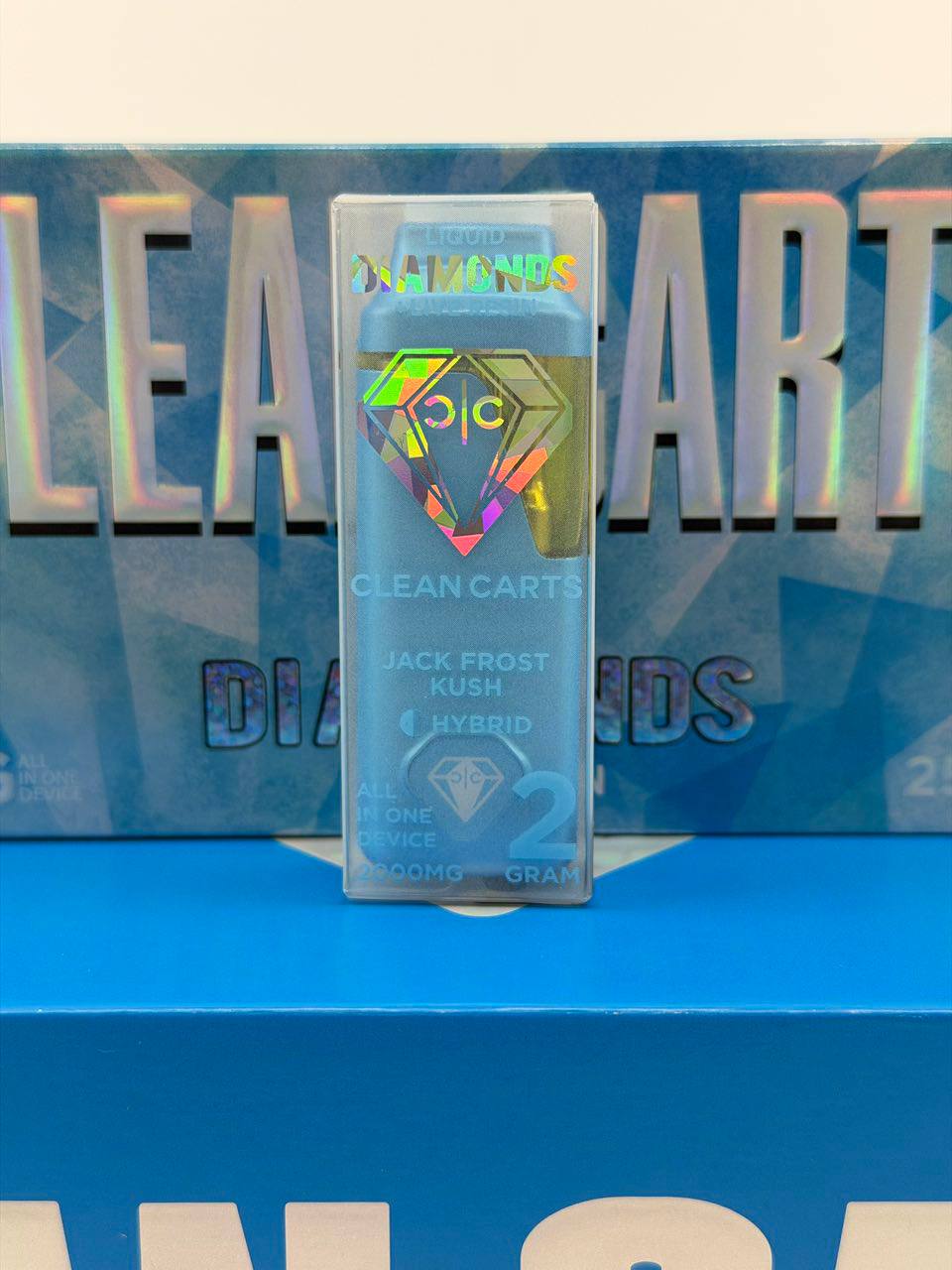


Understanding 2G Disposable Vape Devices: Design, Technology, and Consumer Information
Clean Carts 2G Disposable Winter Edition vape devices are compact electronic products designed to deliver vapor through a built-in heating system. A typical disposable device contains a battery, a heating element, and a cartridge or chamber that holds a formulated liquid or extract. The “2G” label generally refers to the approximate capacity of the cartridge or material chamber, although exact capacity and specifications can vary by manufacturer and region.
Device Design and Construction
Modern disposable vape devices are often created with portability and convenience in mind. The outer shell is usually made from lightweight materials that protect internal components while maintaining a compact profile. Inside the device, a rechargeable or single-use battery powers the heating mechanism, which converts the stored material into vapor.

Additionally, many newer devices include airflow systems designed to provide smoother operation. Some models feature improved heating technology intended to maintain consistent performance throughout the device’s lifespan.
Understanding Extract and Formulations
Vape products may contain different types of formulations depending on their intended market and legal classification. These formulations can vary in consistency, ingredients, cannabinoid content, and aromatic compounds.
Terpenes are naturally occurring compounds found in many plants. In cannabis-related products, terpenes are often discussed because they contribute to aroma and flavor characteristics. Different terpene profiles can create distinct sensory experiences.
Quality Considerations
When evaluating any vape product, consumers often consider factors such as:
- Ingredient transparency
- Manufacturing standards
- Product labeling accuracy
- Packaging information
- Laboratory testing where required by law
- Device reliability
Furthermore, proper labeling helps users understand important information about a product’s contents and intended use.
Storage and Product Care
Storage conditions can influence the quality and performance of many consumer products. Temperature, exposure to sunlight, and improper handling may affect certain materials over time. Manufacturers typically provide storage recommendations based on their specific product requirements.
Industry Trends
The disposable vape market has continued to develop as technology advances. New designs have focused on improved battery efficiency, better airflow systems, and more consistent heating methods. At the same time, regulatory requirements have become an important part of product development in many regions.
Frequently Asked Questions
What does “2G disposable” mean?
The term usually refers to the approximate amount of material contained in the device, though specifications depend on the manufacturer.
How do disposable vape devices work?
A battery supplies power to a heating element, which creates vapor from the material contained inside the device.

Manufacturing and Quality Control Processes
The production of disposable vape devices typically involves several stages of design, assembly, and quality evaluation. Components are selected based on factors such as durability, compatibility, and performance requirements. During manufacturing, electronic parts, heating systems, and external materials are assembled according to established procedures.
Quality control is an important part of the manufacturing process. Products may be inspected for issues related to battery function, airflow performance, structural integrity, and packaging accuracy. In regulated markets, additional testing requirements may apply to ensure that products meet applicable standards.
Battery and Heating Technology
The battery is one of the most important components of a disposable vape device because it provides the energy required for operation. Battery capacity, voltage control, and efficiency can influence how consistently a device performs.
Heating technology has also evolved over time. Traditional heating elements have been replaced or improved in some designs to create more even heating. Consistent temperature control can help reduce performance changes that may occur during use.
Airflow Systems and User Experience Factors
Airflow design affects how a device functions. A balanced airflow system allows air to move through the device efficiently while supporting consistent vapor production. Engineers often consider airflow resistance, internal pathways, and overall device shape during development.
Furthermore, ergonomic design has become a major focus within the industry. Many devices are created with portability, ease of handling, and compact dimensions in mind.
Packaging and Product Information
Packaging provides important information about a product and its manufacturer. Clear labels can include details such as ingredients, manufacturing information, warnings, usage information, and regulatory details where required.
Additionally, responsible packaging practices help reduce confusion and improve transparency. Accurate information allows consumers to better understand what they are purchasing and how the product is classified in their area.

Environmental Considerations
Disposable electronic products have raised discussions about sustainability and waste management. Because these devices contain batteries and electronic components, proper disposal methods may be necessary depending on local regulations.
Some manufacturers have explored alternative materials, recycling programs, and improved designs intended to reduce environmental impact. As technology continues to advance, sustainability remains an important consideration in product development.
Legal and Regulatory Considerations
Regulations surrounding vape devices and related products differ significantly between countries and regions. Requirements may include manufacturing standards, packaging rules, ingredient restrictions, age limitations, and testing requirements.
Therefore, understanding local regulations is important for manufacturers, retailers, and consumers. Compliance standards are designed to support product safety, transparency, and responsible distribution.
The Future of Disposable Vape Technology
The future development of disposable vape technology is likely to focus on efficiency, improved materials, and smarter device features. Innovations may include better battery management systems, enhanced temperature controls, and more environmentally conscious designs.
Moreover, consumer expectations continue to influence how products are developed. Reliability, transparency, and responsible manufacturing practices remain central topics as the industry changes.
Summary
Disposable vape devices represent a combination of electronic engineering, material design, and manufacturing processes. Their operation depends on the interaction between batteries, heating systems, airflow structures, and contained formulations.Clean Carts 2G Disposable Winter EditionClean Carts 2G Disposable Winter EditionClean Carts 2G Disposable Winter EditionClean Carts 2G Disposable Winter EditionClean Carts 2G Disposable Winter EditionClean Carts 2G Disposable Winter Edition
A better understanding of device construction, quality considerations, storage factors, and regulatory requirements can help people make more informed decisions about electronic products in general. As technology evolves, continued attention to safety, transparency, and sustainability will remain important across the industry.
Understanding Materials Used in Disposable Devices
Disposable vape devices are built using a combination of electronic and structural materials selected for specific functions. The outer casing is generally designed to protect internal components while maintaining a lightweight form. Materials used in the body of a device can influence durability, appearance, and overall handling.
Inside the device, electrical connections link the battery system with the heating component. These connections must be carefully designed because consistent energy transfer is necessary for reliable operation. Manufacturing precision plays an important role in ensuring that each component fits correctly within the final assembly.
The Role of Technology in Device Development
Technology has influenced the evolution of disposable vape designs in several ways. Earlier versions of these devices often featured simpler systems, while newer designs have incorporated improvements in battery management, airflow control, and internal engineering.
Additionally, modern production methods allow manufacturers to create smaller devices with more efficient internal layouts. These improvements have contributed to changes in how portable electronic products are designed across various industries.
Product Testing and Performance Evaluation
Testing procedures are commonly used during product development to evaluate different aspects of device performance. These evaluations may examine battery operation, temperature consistency, durability, and mechanical reliability.
Furthermore, manufacturers may conduct inspections throughout different production stages rather than relying only on final product checks. This approach helps identify potential issues earlier in the manufacturing process.
Testing methods can vary depending on the type of device, intended market, and regulatory requirements. In areas where electronic products are regulated, manufacturers may need to follow specific guidelines before distribution.

Understanding Consumer Awareness
Consumer awareness has become increasingly important as electronic products become more advanced. Understanding basic product information, labeling details, and device specifications allows individuals to better evaluate products within their intended category.
Clear communication between manufacturers and consumers can help reduce misunderstandings. For example, accurate descriptions of device features, materials, and specifications provide useful information without creating confusion.
Maintenance and Handling of Electronic Devices
Although disposable devices are designed for limited use, proper handling can influence their condition during their intended lifespan. Exposure to extreme temperatures, physical damage, or improper storage conditions may affect electronic components.
In addition, keeping electronic products away from conditions that may damage batteries or internal systems is generally considered good practice for many consumer devices.
Differences Between Device Categories
Electronic vapor products can differ significantly depending on their design, size, power system, and intended application. Some devices are created for portability, while others focus on extended operation or customizable features.Clean Carts 2G Disposable Winter EditionClean Carts 2G Disposable Winter EditionClean Carts 2G Disposable Winter EditionClean Carts 2G Disposable Winter EditionClean Carts 2G Disposable Winter EditionClean Carts 2G Disposable Winter Edition
Comparing device categories requires attention to specifications rather than appearance alone. Battery type, heating method, materials, and construction quality can all influence how a device functions.Clean Carts 2G Disposable Winter EditionClean Carts 2G Disposable Winter EditionClean Carts 2G Disposable Winter EditionClean Carts 2G Disposable Winter Edition
The Importance of Transparency in Manufacturing
Transparency has become a major topic across many consumer industries. People increasingly look for information about where products are made, how they are tested, and what standards are followed during production.
Manufacturers that provide clear documentation and accurate product information help create greater understanding between producers and consumers. Moreover, transparency can support stronger quality practices throughout the supply chain.
Industry Innovation and Future Development
Innovation continues to shape the development of compact electronic devices. Engineers and designers continue exploring ways to improve efficiency, reduce waste, and create more reliable systems.
At the same time, sustainability has become an increasingly important consideration. Future designs may focus on reusable components, improved recycling options, and materials that create less environmental impact.
As technology progresses, disposable and portable electronic devices will likely continue changing. Advances in engineering, manufacturing, and environmental awareness may influence the next generation of designs.

Final Overview
Disposable vape technology represents a combination of electronics, material science, and manufacturing expertise. From battery systems and heating components to airflow design and quality testing, many elements work together to create a functioning device.
Understanding these factors provides a broader view of how modern electronic products are developed. Through continued innovation, improved standards, and greater transparency, the industry continues to evolve alongside changing technology and consumer expectations.
The Importance of Responsible Product Information
Accurate product information plays an important role in helping people understand electronic devices and their intended characteristics. Clear descriptions allow consumers to identify basic specifications, manufacturing details, and general features without relying on unclear or incomplete information.
Furthermore, responsible communication helps create better awareness about product categories. When technical details are presented clearly, people can develop a stronger understanding of how different devices are designed and how they compare in terms of construction and functionality.
Advances in Compact Electronics
The development of compact electronic systems has expanded beyond vape technology. Similar engineering principles are found in many portable products, including wireless devices, personal electronics, and battery-powered tools.
Miniaturization has allowed manufacturers to create smaller devices while maintaining useful functionality. However, reducing size while maintaining reliability requires careful engineering because internal components must work efficiently within limited space.
Modern manufacturing techniques have supported these improvements through precision assembly, improved materials, and automated quality checks. As a result, portable electronics continue to become more efficient and accessible.
Engineering Challenges in Small Devices
Designing a small electronic device involves several technical challenges. Engineers must consider battery placement, heat management, electrical connections, and physical durability.
Heat management is particularly important because electronic components must operate within appropriate temperature ranges. Poor design choices may affect performance, reliability, or the lifespan of internal parts.
Additionally, manufacturers must balance multiple factors, including production costs, material selection, user experience, and regulatory expectations. Each design decision can influence the final structure and operation of the device.
The Role of Research and Development
Research and development teams contribute significantly to improvements in electronic product design. These teams analyze existing technology, test new materials, and explore methods to improve efficiency.
Through research, manufacturers can identify opportunities for improvement and address challenges discovered during testing. This process often involves multiple stages, including prototypes, evaluations, adjustments, and final production.
Moreover, technological progress is usually achieved through gradual improvements rather than a single change. Small advancements in materials, software, or engineering methods can create meaningful improvements over time.
Supply Chain and Manufacturing Processes
The creation of electronic devices involves a complex supply chain. Different components may be produced by specialized manufacturers before being combined during final assembly.
Supply chain management helps ensure that materials, components, and production schedules are coordinated effectively. Quality checks throughout this process can help maintain consistency between different production batches.
Additionally, responsible sourcing practices have become a growing focus across many industries. Companies increasingly evaluate suppliers based on factors such as reliability, environmental practices, and manufacturing standards.
Consumer Technology and Changing Expectations
Consumer expectations continue to influence product development. People often look for products that combine convenience, reliability, and modern design.
As technology advances, expectations for portable devices have also changed. Features that were once considered advanced may become standard as manufacturing methods improve and competition increases.
Because of this, companies continue researching new ways to improve design, efficiency, and user experience while meeting changing market requirements.
Digital Tracking and Product Verification
Many modern industries have adopted digital tools to improve transparency and product tracking. These systems can help organizations monitor manufacturing stages, manage inventory, and maintain accurate records.
Digital verification methods may also support efforts to reduce counterfeit products and improve supply chain visibility. As technology develops, these systems continue becoming more advanced and widely used.
Looking Toward Future Innovations
Future developments in compact electronic devices may involve improvements in battery technology, sustainable materials, and smarter internal systems. Researchers continue exploring solutions that balance performance, convenience, and environmental responsibility.
Furthermore, advances in manufacturing automation may allow for greater precision and efficiency. New production techniques could influence how electronic products are designed, assembled, and evaluated.
Overall, the continued evolution of portable technology reflects broader trends in engineering and consumer electronics. Innovation, quality standards, and responsible development remain important factors shaping future products.
Understanding Product Lifecycles and Electronic Waste
Every electronic product has a lifecycle that begins with design and manufacturing and continues through distribution, use, and disposal. Understanding this lifecycle helps highlight the importance of responsible production and waste management.
Electronic components require careful handling because many devices contain materials that should not be treated like ordinary household waste. Batteries, circuits, and other internal parts may require specific disposal methods depending on local environmental guidelines.
Additionally, manufacturers and consumers are increasingly considering ways to extend product lifecycles. Improvements in durability, repair options, recycling systems, and material choices are becoming important discussions within the electronics industry.
Material Innovation and Sustainable Design
Material innovation continues to influence how compact devices are created. Engineers are exploring alternatives that may improve durability while reducing environmental impact.
Sustainable design focuses on creating products that use resources efficiently throughout their lifecycle. This approach considers not only how a product functions but also how its materials can be managed after use.
Furthermore, advances in manufacturing technology allow companies to evaluate material performance more accurately. Testing methods can help determine whether new materials meet expectations for strength, reliability, and safety.
The Connection Between Design and User Experience
Product design involves more than appearance. A successful electronic device requires a balance between physical structure, technical performance, and practical usability.
Design teams often analyze how people interact with devices, including factors such as size, weight, accessibility, and ease of handling. These considerations influence the final shape and functionality of many modern products.
Moreover, thoughtful design can improve reliability by reducing unnecessary complexity. When components are arranged efficiently, devices may operate more consistently and require fewer adjustments during manufacturing.
Quality Standards in Modern Manufacturing
Quality standards help establish expectations for production and performance. These standards may involve testing procedures, manufacturing practices, and documentation requirements.
In many industries, quality management systems are used to monitor production processes and identify areas where improvements can be made. These systems support consistency by creating structured methods for evaluation.
As technology becomes more advanced, quality standards often evolve as well. New materials and production techniques may require updated testing methods to ensure reliable results.
The Growing Role of Consumer Education
Education helps people better understand the products they use. Technical information, when explained clearly, allows individuals to recognize differences between product categories and understand basic features.
Consumer education also encourages more informed decision-making. Rather than focusing only on appearance or marketing claims, people can consider factors such as design, manufacturing practices, and available information.
Furthermore, increased awareness can encourage companies to provide clearer documentation and improve transparency throughout their operations.
Technology Trends in Portable Devices
Portable technology continues to develop rapidly. Smaller components, improved energy systems, and advanced manufacturing tools have influenced many categories of electronic products.
One major trend is the movement toward smarter systems. Many modern devices incorporate sensors, automated controls, and digital features designed to improve efficiency.
Another important trend is sustainability. Companies across different industries are exploring ways to reduce waste, improve recycling, and develop more environmentally responsible products.
The Importance of Responsible Innovation
Innovation is most effective when it considers both technological progress and broader impacts. Responsible development involves evaluating how products are created, used, and managed throughout their lifecycle.
Companies that focus on responsible innovation often consider factors such as environmental effects, manufacturing conditions, and long-term reliability.
Additionally, collaboration between engineers, researchers, regulators, and consumers can contribute to better solutions. Shared knowledge allows industries to address challenges more effectively.Clean Carts 2G Disposable Winter EditionClean Carts 2G Disposable Winter EditionClean Carts 2G Disposable Winter EditionClean Carts 2G Disposable Winter EditionClean Carts 2G Disposable Winter EditionClean Carts 2G Disposable Winter EditionClean Carts 2G Disposable Winter Edition
Conclusion
Portable electronic devices represent the combination of engineering, manufacturing expertise, and continuous innovation. Their development involves careful decisions about materials, design, technology, quality control, and environmental responsibility.Clean Carts 2G Disposable Winter EditionClean Carts 2G Disposable Winter EditionClean Carts 2G Disposable Winter EditionClean Carts 2G Disposable Winter EditionClean Carts 2G Disposable Winter EditionClean Carts 2G Disposable Winter Edition
By understanding how these products are created and managed, people can gain a broader perspective on modern technology. As industries continue to evolve, improvements in design, sustainability, and transparency will remain important parts of future development.


Be the first to review “Clean Carts 2G Disposable Winter Edition”