
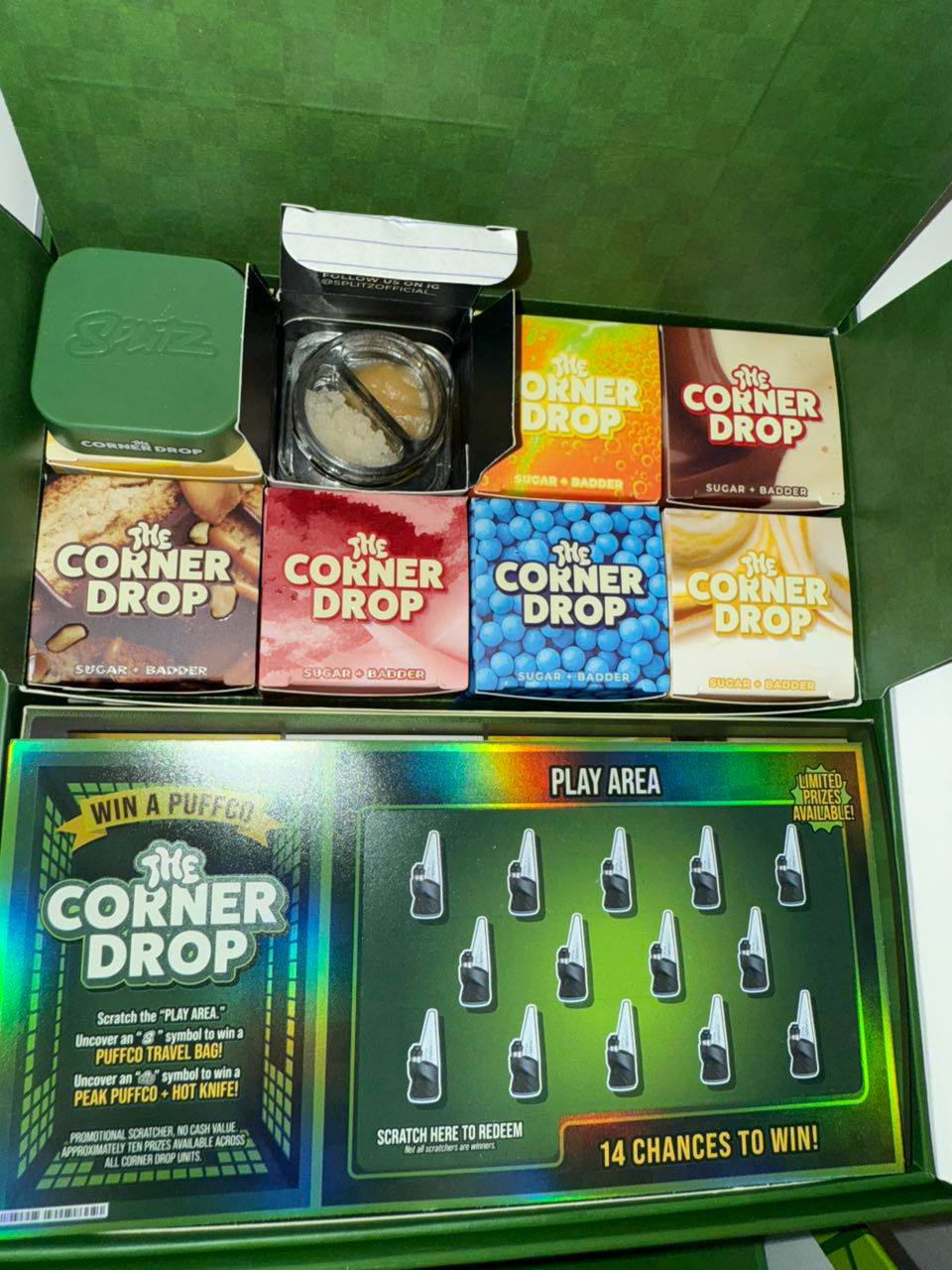


Splitz Corner Drop Sugar X Badder: An Educational Overview of Concentrate Texture, Composition, and Characteristics
Introduction
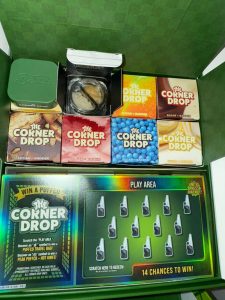
Splitz Corner Drop Sugar X Badder represents a style of cannabis concentrate that combines characteristics commonly associated with sugar-textured and badder-style extracts. Concentrates are known for their unique textures, concentrated cannabinoid content, and distinctive terpene expressions. In general, these products are created through extraction processes that separate desirable plant compounds from the original cannabis material.
Furthermore, concentrate formats can vary significantly depending on extraction techniques, temperature control, curing methods, and handling practices. Because of these variables, products with similar names may still display differences in appearance, aroma, consistency, and overall composition.
Understanding Sugar and Badder Concentrate Styles
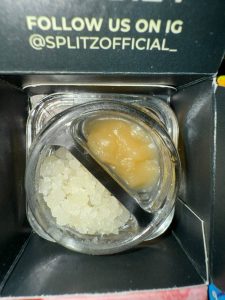
The terms “sugar” and “badder” describe the physical appearance and consistency of cannabis concentrates rather than a specific chemical formula. Sugar concentrates often feature a granular texture that resembles small crystals or wet sugar. This structure usually develops when cannabinoids and terpenes separate during the curing process.
Badder-style concentrates typically have a softer, whipped, or creamy texture. This consistency can result from controlled agitation and temperature management during production. As a result, badder concentrates are often recognized for their smooth and workable texture.
When these characteristics are combined, a sugar x badder style concentrate may display a balance between crystalline structures and a softer, more uniform body.
Composition and Cannabinoids
Cannabis concentrates contain naturally occurring cannabinoids and aromatic compounds known as terpenes. The cannabinoid profile can vary depending on the original plant material, extraction method, and processing approach.
Common cannabinoids found in cannabis extracts include THC, CBD, CBG, and other minor cannabinoids. However, the exact profile depends on laboratory testing and the specific formulation of the product.
Additionally, terpene content plays an important role in determining aroma and flavor characteristics. Terpenes are naturally occurring compounds found in many plants, including cannabis, and they contribute to the plant’s distinctive scent profiles.
Appearance and Texture Characteristics
A concentrate’s appearance can provide general information about its texture and consistency. Sugar-style extracts often contain visible crystalline formations, while badder-style extracts usually appear softer and more cohesive.
Moreover, factors such as light exposure, temperature changes, and storage conditions can influence texture over time. Proper storage practices help maintain the original characteristics of many concentrate products.
Color can also vary. Depending on processing methods and plant compounds, concentrates may range from lighter golden tones to deeper shades. However, color alone does not determine quality, purity, or cannabinoid strength.Splitz Corner Drop Sugar X BadderSplitz Corner Drop Sugar X BadderSplitz Corner Drop Sugar X BadderSplitz Corner Drop Sugar X BadderSplitz Corner Drop Sugar X BadderSplitz Corner Drop Sugar X BadderSplitz Corner Drop Sugar X BadderSplitz Corner Drop Sugar X BadderSplitz Corner Drop Sugar X BadderSplitz Corner Drop Sugar X BadderSplitz Corner Drop Sugar X BadderSplitz Corner Drop Sugar X BadderSplitz Corner Drop Sugar X BadderSplitz Corner Drop Sugar X BadderSplitz Corner Drop Sugar X BadderSplitz Corner Drop Sugar X BadderSplitz Corner Drop Sugar X BadderSplitz Corner Drop Sugar X BadderSplitz Corner Drop Sugar X BadderSplitz Corner Drop Sugar X BadderSplitz Corner Drop Sugar X BadderSplitz Corner Drop Sugar X BadderSplitz Corner Drop Sugar X BadderSplitz Corner Drop Sugar X BadderSplitz Corner Drop Sugar X BadderSplitz Corner Drop Sugar X Badder
Extraction and Processing Factors
The creation of cannabis concentrates involves multiple stages. Initially, plant material is processed to separate desired compounds from unwanted plant components. After extraction, additional refinement and curing steps may influence the final texture and composition.
Temperature control is especially important because cannabinoids and terpenes can be sensitive to environmental conditions. Therefore, careful handling during production and storage can affect the final characteristics of the concentrate.
Furthermore, laboratory testing provides information about cannabinoid levels, terpene profiles, and potential contaminants. Testing results are an important source of information when evaluating any cannabis-derived product.
Storage Considerations
Concentrates can be affected by environmental conditions such as heat, light, and air exposure. Over time, these factors may influence texture, aroma, and chemical stability.
For this reason, many concentrate products are stored in airtight containers designed to reduce exposure to outside elements. Temperature-controlled environments are also commonly used to help preserve product characteristics.
In addition, avoiding unnecessary handling can reduce contamination risks and help maintain consistency.
Understanding Terpene Profiles
Terpenes contribute significantly to the aromatic identity of cannabis varieties. Different terpene combinations can create a wide range of scent and flavor descriptions.
For example, some terpene profiles are associated with citrus-like aromas, while others may produce earthy, floral, herbal, or sweet notes. The final profile depends on the specific cultivar and processing conditions.
Because terpene concentrations vary naturally, two concentrates made from different batches may not have identical aromatic characteristics.
Quality Evaluation Factors
When examining cannabis concentrates from an educational perspective, several factors are commonly considered:
- Laboratory testing information
- Consistency and texture
- Proper labeling
- Storage conditions
- Production transparency
- Cannabinoid and terpene information
However, appearance and texture alone cannot confirm safety, potency, or overall quality. Reliable testing information provides a more complete understanding of a product’s characteristics.
Conclusion
Splitz Corner Drop Sugar X Badder represents a concentrate format that combines elements of sugar-style and badder-style textures. Through extraction techniques, curing processes, and storage conditions, concentrates develop their unique physical and chemical characteristics.
Understanding concentrate types, cannabinoid composition, terpene profiles, and handling methods allows consumers and researchers to better understand how these products are created and evaluated. Educational information, laboratory testing, and responsible product documentation remain important parts of understanding cannabis concentrates.
Additional Factors That Influence Concentrate Characteristics
Beyond extraction and curing methods, several additional factors may influence the final properties of a concentrate. The original cannabis cultivar, environmental growing conditions, harvesting practices, and post-harvest handling can all contribute to differences between batches.
For example, plants grown under different conditions may develop variations in cannabinoid and terpene production. Even when the same cultivar is used, differences in cultivation methods can create noticeable changes in aroma, color, and chemical composition.
Furthermore, the timing of harvest can affect the maturity of plant compounds. As the plant develops, cannabinoid and terpene levels may change, which can influence the characteristics of the final extract.
The Role of Curing in Concentrate Development
Curing is an important stage in many cannabis processing methods. During this period, extracted material may undergo controlled changes that influence texture, consistency, and terpene expression.
A carefully managed curing process allows compounds within the concentrate to stabilize. As a result, the final texture may become more consistent over time.
Additionally, curing conditions such as temperature, duration, and handling techniques can impact the physical structure of the concentrate. These details help explain why similar concentrate styles may appear different from one another.
Differences Between Concentrate Formats
Cannabis concentrates exist in several forms, each with distinct physical characteristics. Sugar, badder, crumble, sauce, shatter, and other formats are often distinguished by their texture and production approach.
Sugar-style concentrates generally contain small crystalline structures, while badder-style concentrates are often softer and more spreadable. Sauce-style concentrates may contain a higher amount of liquid terpene-rich material, whereas shatter is typically recognized for its glass-like appearance.
Therefore, the format of a concentrate provides information about its physical properties but does not independently determine cannabinoid content or laboratory results.
Laboratory Testing and Transparency
Laboratory analysis plays an important role in understanding cannabis concentrates. Testing can provide information about cannabinoid levels, terpene percentages, and the presence of certain unwanted substances.
Reliable testing documentation may include details such as:
- Cannabinoid concentration
- Terpene profile information
- Batch identification
- Testing date
- Safety screening results
Moreover, transparent labeling helps provide clearer information about a product’s composition. This allows individuals to better understand what characteristics are associated with a specific concentrate.
Environmental Factors and Stability
Environmental exposure can affect many natural compounds found in cannabis concentrates. Heat, oxygen, and light may gradually influence chemical stability.
High temperatures can change texture and may affect volatile aromatic compounds. Similarly, prolonged exposure to air may contribute to oxidation over time.
Because of this, controlled storage environments are often considered important for maintaining consistency. Proper containers and reduced environmental exposure can help preserve the original characteristics of concentrate products.
Understanding Texture Changes Over Time
A concentrate’s texture may naturally change depending on environmental conditions. A product that appears firm in a cool environment may become softer when exposed to warmer temperatures.
Likewise, cooling conditions may cause some concentrates to become thicker or less flexible. These changes are generally related to the physical properties of the compounds present.
Texture changes alone do not provide a complete evaluation of a concentrate. Instead, they represent one factor among many that can be considered alongside testing information and production details.
The Importance of Responsible Information
Accurate information about cannabis products depends on clear documentation and reliable sources. Product names, descriptions, and appearance can provide general context, but laboratory analysis remains one of the most important tools for understanding composition.
Additionally, regulations surrounding cannabis products vary widely depending on location. Legal requirements, labeling standards, and permitted uses can differ between regions.
Therefore, understanding local regulations and relying on verified information are important when discussing cannabis-derived products.
Frequently Asked Questions
What does “sugar x badder” mean?
“Sugar x badder” generally refers to a concentrate style that combines characteristics associated with sugar-textured extracts and softer badder-style extracts. The term describes texture and consistency rather than a specific cannabinoid formula.
Why do concentrates have different textures?
Concentrate textures can differ because of extraction methods, curing processes, temperature conditions, and handling techniques. These factors influence how cannabinoids and terpenes organize within the final material.
Do all concentrates have the same cannabinoid profile?
No. Cannabinoid levels vary depending on the original cannabis material, processing methods, and laboratory results. Testing information is needed to understand the specific composition of any concentrate.
What are terpenes?
Terpenes are naturally occurring aromatic compounds found in many plants. In cannabis, they contribute to scent and flavor characteristics and may vary between cultivars and batches.
Why is storage important?
Storage conditions can influence texture, aroma, and stability. Exposure to heat, light, and air may affect some natural compounds over time.
Final Overview
Splitz Corner Drop Sugar X Badder can be understood as part of the broader category of cannabis concentrates that are identified by texture, processing style, and chemical composition. Its characteristics are shaped by multiple stages, including cultivation, extraction, refinement, curing, and storage.
A complete understanding of any concentrate requires more than appearance alone. Laboratory information, production transparency, and proper documentation provide a clearer picture of its composition and characteristics.
Historical Development of Cannabis Concentrate Formats
Cannabis concentrates have developed significantly over time as extraction methods and processing technologies have evolved. Early forms of concentrates were often produced using simple mechanical or solvent-based approaches. Over the years, improvements in equipment, temperature management, and laboratory analysis have contributed to the creation of more diverse concentrate textures.
As extraction techniques became more refined, producers began developing distinct categories based on consistency and appearance. These categories include textures such as oils, waxes, shatters, sugars, and badder-style materials.
Furthermore, advancements in testing technology have allowed for a better understanding of cannabinoid and terpene composition. This information has helped create clearer classifications within the concentrate market.
Factors That Create Different Concentrate Textures
Texture development is influenced by several scientific and environmental factors. During processing, cannabinoids and other compounds can organize into different structures depending on how the material is handled.
Temperature plays a major role in this process. Cooler conditions may help maintain thicker structures, while warmer conditions can create softer consistencies. Additionally, agitation techniques may influence whether a concentrate develops a whipped, creamy texture or a more crystalline appearance.
The balance between solid and liquid components also contributes to texture. Some concentrates contain more visible crystal structures, while others maintain a smoother and more uniform consistency.
Cannabinoid Profiles and Chemical Composition
Cannabinoids are a group of naturally occurring compounds found in cannabis plants. While THC is one of the most recognized cannabinoids, cannabis contains many other compounds that may contribute to its overall chemical profile.
Common cannabinoids that may appear in testing reports include:
- THC
- THCA
- CBD
- CBDA
- CBG
- CBC
- Minor cannabinoid compounds
The exact composition depends on genetics, cultivation practices, and processing methods. Therefore, laboratory testing provides the most reliable information about cannabinoid percentages.
The Importance of Terpene Preservation
Terpenes are volatile compounds, meaning they can be affected by environmental conditions such as heat and exposure to air. Because of this sensitivity, processing methods often focus on maintaining terpene characteristics.
Different terpene combinations can create different aromatic profiles. Some may be associated with fruity notes, while others may produce herbal, floral, earthy, or citrus-like characteristics.
Moreover, terpene preservation is an important area of focus in concentrate production because these compounds contribute to the overall identity of different cannabis varieties.
Understanding Batch Variation
Natural agricultural products often experience some level of variation between batches. Cannabis concentrates are no exception.
Differences may occur because of:
- Plant genetics
- Growing environment
- Harvest timing
- Processing conditions
- Storage duration
Even when similar methods are used, two separate production batches may not have identical characteristics. This natural variation is common in plant-based products.
Packaging and Product Protection
Packaging plays an important role in maintaining concentrate stability. Containers are designed to protect products from outside influences that may affect their condition.
Important packaging considerations may include:
- Protection from light exposure
- Reduction of air contact
- Material compatibility
- Secure sealing
Additionally, proper labeling helps provide information about product identity, batch details, and testing documentation.
Regulatory Considerations
Cannabis regulations differ significantly across regions. Laws may address cultivation, manufacturing, testing, labeling, possession, and distribution.
Because requirements can change, understanding local regulations is important when discussing cannabis products. Compliance standards are often designed to support consumer safety, product consistency, and responsible handling.
Furthermore, regulated markets may require specific testing procedures and documentation before products are made available.
Comparing Concentrate Categories
Although many concentrate types share similar origins, their physical characteristics can differ considerably.
For example:
- Sugar concentrates are often recognized by crystalline textures.
- Badder concentrates are commonly associated with softer consistencies.
- Shatter concentrates are usually identified by a firm, glass-like structure.
- Sauce concentrates may contain a mixture of liquid and crystalline components.
These differences primarily describe physical properties rather than indicating a specific level of quality or composition.
The Role of Consumer Education
Education provides a foundation for understanding complex cannabis products. Learning about extraction, testing, storage, and terminology can help create a more informed perspective.
Rather than relying only on appearance or product names, a complete evaluation involves reviewing available information about composition and production methods.
Additionally, scientific research continues to expand knowledge about cannabinoids, terpenes, and extraction technologies.
Conclusion: A Broader Understanding of Sugar X Badder Concentrates
Splitz Corner Drop Sugar X Badder can be examined as an example of a modern concentrate format that combines characteristics associated with multiple texture styles. Understanding these products requires attention to factors such as extraction methods, cannabinoid profiles, terpene composition, storage conditions, and regulatory information.
Through education and reliable documentation, concentrate characteristics can be better understood from a scientific and informational perspective. As cannabis research and processing methods continue to develop, additional knowledge
| Quantity | Oz, Qp, Hp, Lb |
|---|
Reviews
There are no reviews yet.
Related products

Concentrates

Concentrates

Alien OG

Concentrates

Concentrates

Concentrates

Concentrates
Be the first to review “Splitz Corner Drop Sugar X Badder”