








Hitz Safari Edition 2G Disposable: Informational Product Overview
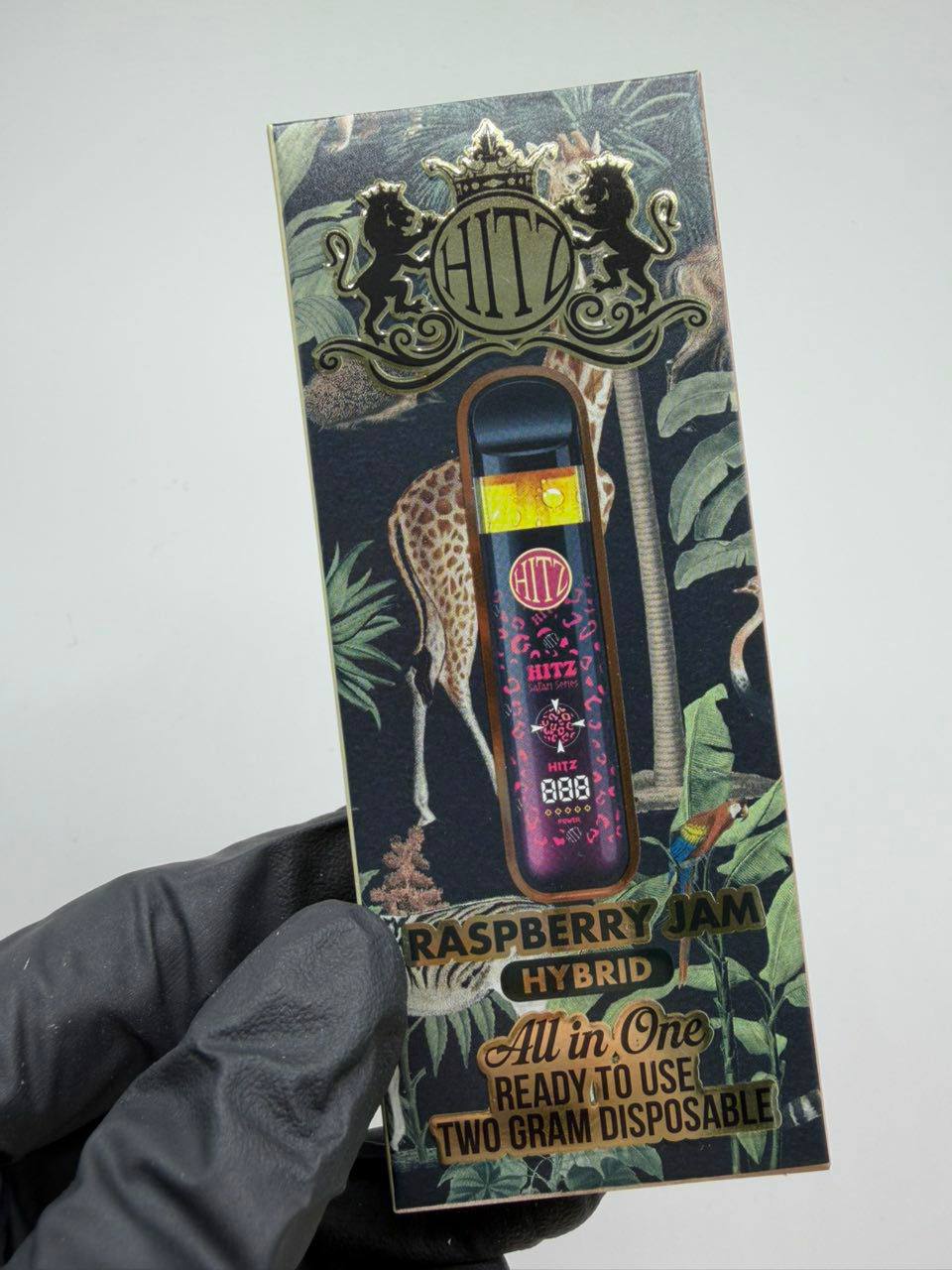
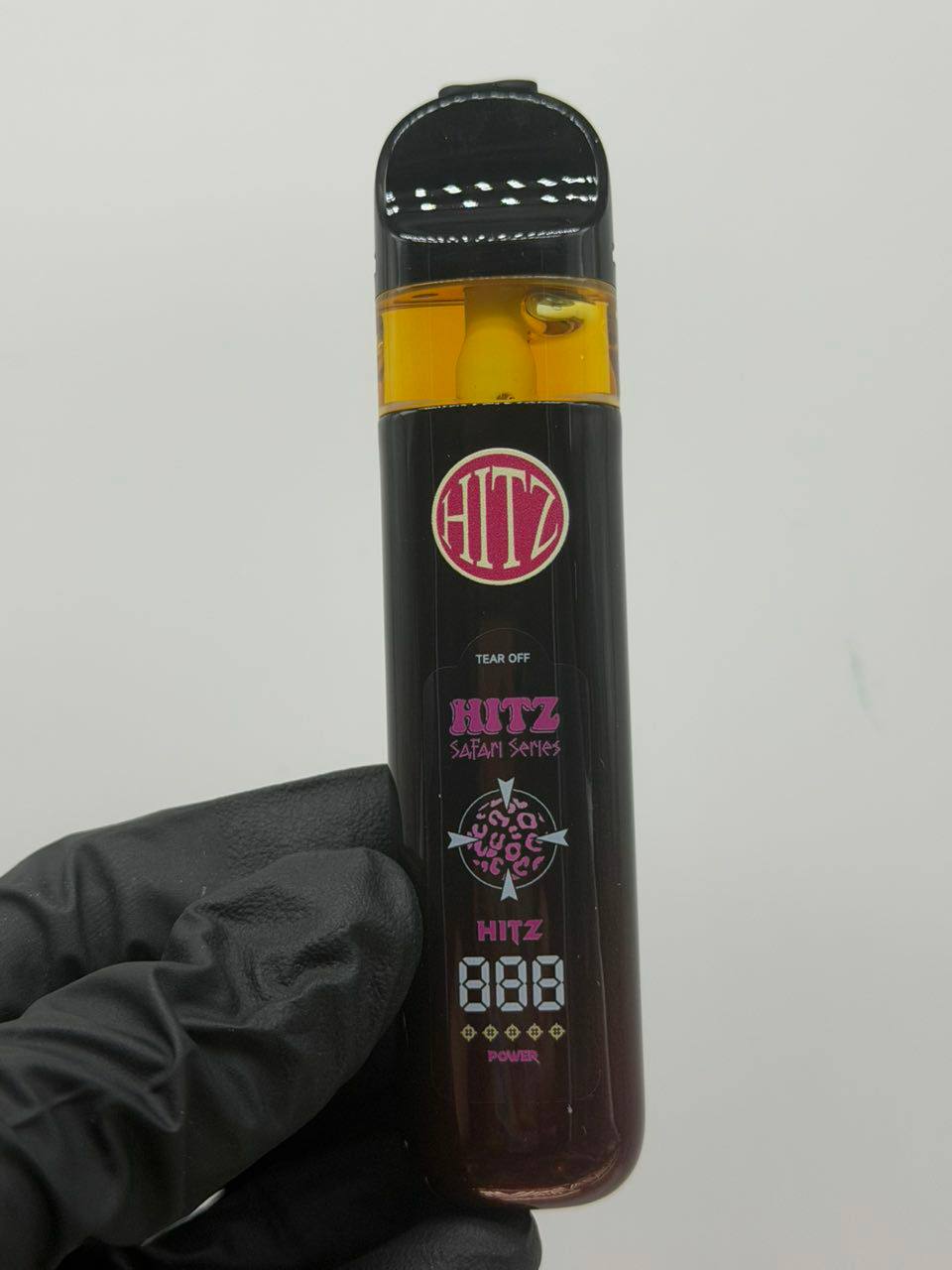
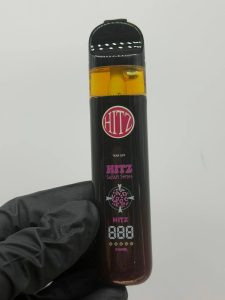
The Hitz Safari Edition 2G Disposable is a portable vaporizer device designed in a disposable format. Products in this category typically combine a pre-filled reservoir, an integrated battery, and a compact housing intended for convenient use. The all-in-one construction removes the need for separate tanks, coils, or charging accessories in many models.
A 2-gram capacity places this device within the larger-capacity segment of disposable vaporizers. As a result, users often select products of this size when they prefer a device that may last longer than smaller-capacity alternatives. The compact design also supports portability, making storage and transportation re\latively straightforward.

The exterior design of the Safari Edition emphasizes a distinctive visual style. Manufacturers often use themed editions to create a recognizable appearance that differentiates one product line from another. Design elements may include unique color combinations, graphics, or branding details that contribute to the overall presentation.
Many disposable vaporizer products incorporate draw-activated technology. In such systems, the device activates automatically when the user inhales through the mouthpiece. Consequently, external buttons are often unnecessary, which simplifies operation and reduces the learning curve for first-time users.
Battery integration represents another common characteristic of disposable devices. The battery is housed within the unit and works in conjunction with the heating element to produce vapor. This configuration creates a streamlined experience because separate battery purchases and assembly requirements are minimized.
The mouthpiece is typically designed to provide a comfortable fit while supporting airflow. In addition, manufacturers frequently focus on ergonomic construction to improve handling during use. A balanced shape can contribute to ease of carrying and storage in pockets, bags, or small compartments.
Portability remains one of the defining features of disposable vaporizer devices. Their compact footprint allows them to fit into everyday lifestyles without requiring extensive maintenance. Furthermore, the absence of replaceable components can reduce complexity when compared with some refillable systems.
Modern disposable devices often incorporate features intended to support consistent performance. These may include optimized airflow pathways, integrated safety mechanisms, and battery management systems. As a result, the overall user experience can remain relatively stable throughout the product’s intended lifespan.
Product specifications, materials, battery capacity, operating characteristics, and compliance requirements vary by manufacturer and region. Therefore, consumers should consult official packaging, product documentation, and applicable local regulations for accurate and up-to-date information.
This overview is intended for informational purposes and does not constitute an endorsement, recommendation, or promotional statement regarding the use or purchase of any vaporizer product.
Device Construction and Component Layout
Disposable vaporizer devices generally consist of several core components that work together within a compact enclosure. These components commonly include a battery, a heating element, an internal reservoir, airflow channels, and a mouthpiece. Each element contributes to the overall operation of the device while remaining integrated into a single housing.
The battery serves as the power source for the heating system. In many disposable products, manufacturers select battery capacities that align with the intended lifespan of the device. Consequently, the battery and reservoir are often designed to reach the end of their useful life within a similar timeframe.
The heating element converts electrical energy into heat. This process allows the contents of the reservoir to be transformed into an inhalable vapor. Over time, heating technologies have evolved, and many modern devices utilize materials selected for durability and temperature consistency.
Airflow design plays a significant role in the user experience. Engineers frequently adjust internal pathways to balance vapor production and draw resistance. As a result, airflow characteristics can vary considerably between different device models and manufacturers.
The mouthpiece represents the primary point of interaction between the user and the device. Manufacturers often shape mouthpieces to promote comfort while maintaining efficient airflow. In addition, material selection may influence durability, heat resistance, and overall feel.
Portable Design Considerations
Portability remains a major focus within the disposable vaporizer category. Compact dimensions allow devices to fit easily into pockets, purses, and small carrying cases. Furthermore, lightweight construction can improve convenience during travel and daily activities.
Many devices use streamlined exterior shapes to reduce bulk. Rounded edges and ergonomic contours are frequently incorporated to enhance handling. As a result, users can often carry the device comfortably without requiring specialized storage solutions.
The Safari Edition branding suggests an emphasis on visual identity. Product lines that feature themed appearances often seek to establish a recognizable aesthetic. Therefore, packaging and exterior design may contribute to brand differentiation within a competitive marketplace.
Battery Technology
Battery performance influences numerous aspects of device operation. Capacity, power output, charging characteristics, and safety systems all affect overall functionality. Although disposable products vary widely, manufacturers generally aim to balance compact size with adequate power delivery.
Lithium-ion battery technology is commonly used in portable electronic devices due to its favorable energy density. Consequently, many vaporizer products utilize similar battery systems. Protective circuits are frequently integrated to help manage charging behavior, voltage levels, and operating conditions.
Temperature management represents another important consideration. Excessive heat can affect both performance and component longevity. Therefore, device manufacturers often incorporate design features intended to support stable operation throughout the product lifecycle.
Battery efficiency has improved substantially over the years. As technology advances, smaller batteries are increasingly capable of delivering performance levels that previously required larger power sources. This development has contributed to the growing popularity of compact electronic devices across multiple industries.
Manufacturing and Quality Control
Manufacturing processes vary among producers, yet quality control remains an important aspect of product development. During production, components are assembled according to established specifications. Subsequently, inspection procedures may be used to evaluate consistency and functionality.
Quality assurance programs can include visual inspections, performance testing, and material verification. These procedures help identify potential issues before products reach distribution channels. As a result, manufacturers may reduce the likelihood of defects and improve reliability.
Material selection also influences product quality. Durable housing materials can contribute to structural integrity, while carefully chosen internal components may support consistent operation. In addition, manufacturing precision can affect airflow, electrical connections, and overall device performance.
Regulatory requirements differ among jurisdictions. Therefore, manufacturers operating in multiple regions often adapt production practices to align with local standards and compliance expectations.
User Experience Factors
Several factors influence how individuals perceive a vaporizer device. These considerations may include airflow characteristics, device responsiveness, portability, ergonomics, and consistency. While preferences differ among users, manufacturers frequently evaluate these elements during product development.
Draw activation systems are often designed to simplify operation. Because activation occurs during inhalation, external controls may be minimized. Consequently, the overall design can appear straightforward and accessible.
Ergonomic considerations extend beyond appearance. Device dimensions, weight distribution, and surface texture can all affect handling comfort. Furthermore, thoughtful design choices may contribute to a more intuitive experience during routine use.
Consistency represents another commonly discussed factor. Users often expect predictable performance throughout the intended lifespan of a device. Therefore, manufacturers may focus on engineering solutions that support stable operation under typical usage conditions.
Storage and Handling Considerations
Proper storage can influence the condition of electronic devices over time. Excessive heat, moisture, and physical impacts may affect performance or appearance. Therefore, products are commonly stored in cool, dry environments when not in use.
Protective packaging serves several purposes. It may help shield devices from environmental exposure during transportation and storage. In addition, packaging often contains important product information, safety notices, and regulatory details.
Handling practices can also affect device longevity. Avoiding unnecessary pressure, impact, and exposure to extreme conditions may help preserve structural integrity. Consequently, users frequently consult manufacturer guidance regarding recommended storage procedures.
Environmental conditions can influence battery behavior as well. Extremely high or low temperatures may affect performance characteristics. As a result, manufacturers often provide temperature-related recommendations within product documentation.

Industry Trends and Innovation
The disposable vaporizer sector continues to evolve alongside broader developments in consumer electronics. Advances in battery technology, miniaturization, manufacturing efficiency, and materials science have contributed to ongoing product innovation.
Design aesthetics have become increasingly important within many product categories. Consequently, manufacturers often explore new themes, finishes, and visual identities to distinguish product lines. Themed editions, including nature-inspired concepts such as Safari Edition branding, illustrate this trend.
Technological improvements have also influenced device reliability and efficiency. Enhanced battery management systems, refined airflow engineering, and improved component integration have contributed to performance advancements across the industry.
As consumer expectations continue to change, manufacturers frequently adapt their designs to address emerging preferences and regulatory requirements. Therefore, innovation remains a defining characteristic of the broader vaporizer marketplace.
Product Design Language and Aesthetic Identity
Visual identity plays a significant role in how portable electronic devices are perceived within competitive markets. The Hitz Safari Edition 2G Disposable belongs to a category where exterior styling often communicates brand personality as much as functional intent. In many cases, themed editions are developed to create distinction through color palettes, graphic motifs, and surface finishes.
Safari-inspired design language typically draws from natural tones and bold contrast patterns. As a result, products in such collections are frequently associated with earthy hues, textured visuals, or wildlife-themed branding elements. Although aesthetics do not directly influence internal performance, they can shape user perception and product recognition.
Manufacturers often align visual themes with broader marketing narratives. Consequently, design choices may reflect ideas such as exploration, portability in outdoor settings, or lifestyle adaptability. While these associations vary by brand strategy, they contribute to how the product is positioned within its category.
Internal Airflow Engineering
Airflow engineering is a critical component in compact vaporizer systems. Internal channels guide vapor from the heating chamber toward the mouthpiece, and their configuration influences draw resistance and vapor density. When airflow is tightly controlled, vapor delivery may feel more restricted. Conversely, wider channels can produce a lighter and more open inhalation experience.
Designers frequently test multiple airflow configurations during development. Therefore, small structural changes inside the device can significantly alter user perception. Computational modeling and prototyping are often used to refine these pathways before final production.
Consistency across units is another engineering goal. Slight manufacturing differences may affect airflow behavior, so quality control processes are implemented to reduce variation. As a result, devices within the same production line are expected to perform within a defined range of tolerances.
Heating Mechanism and Thermal Behavior
Heating systems in disposable vaporizers are designed to reach operational temperature quickly and maintain stability during use. The heating element is typically activated by airflow detection, which triggers energy transfer from the battery to the coil or ceramic component.
Thermal consistency is important because it affects vapor formation. If temperature fluctuates significantly, vapor output may become inconsistent. Therefore, many modern devices incorporate materials that support stable heat distribution.
Heat retention also plays a role in efficiency. Some designs allow residual warmth to assist vapor production even after brief pauses in activation. However, excessive heat buildup is avoided through insulation layers and controlled power output.
Although the heating process is automated, internal safeguards are often included to prevent overheating. These mechanisms may reduce power output or shut down the system if unsafe conditions are detected.

Reservoir Capacity and Usage Duration
A 2-gram capacity places this type of device within a higher-volume category compared to smaller disposable units. Capacity influences how long the internal reservoir can supply material before depletion. However, actual duration varies depending on usage patterns and environmental conditions.
Because consumption rates differ between users, estimating exact lifespan can be difficult. Factors such as draw frequency, inhalation duration, and temperature settings (if applicable) all contribute to overall depletion rate.
Manufacturers typically calibrate reservoir size to align with battery capacity. This balance ensures that neither component significantly outlasts the other under standard operating conditions. As a result, both the energy source and internal material are designed to reach exhaustion in a coordinated manner.
Material Selection and Structural Durability
Material selection affects both structural integrity and user handling experience. Outer casings are commonly made from lightweight metals or reinforced polymers. These materials provide protection for internal components while maintaining portability.
Durability testing may include drop resistance evaluation, pressure tolerance assessment, and environmental exposure simulations. Consequently, devices are expected to withstand everyday handling conditions within reasonable limits.
Internal components are also selected for compatibility and stability. Electrical connections, seals, and housing supports must remain secure throughout usage. Therefore, precision assembly techniques are often used to ensure alignment and reliability.
Safety Considerations in Design
Safety is a central aspect of disposable vaporizer engineering. Devices are typically equipped with protective circuitry designed to regulate voltage, monitor temperature, and manage discharge rates. These systems help reduce risks associated with overheating or electrical imbalance.
Ventilation pathways may also be incorporated to manage internal pressure. If gas expansion occurs due to heat, controlled release mechanisms help maintain structural stability. In addition, insulation materials are used to separate heat-generating components from outer surfaces.
Compliance testing is often required before distribution in regulated markets. This may include electrical safety certification, material safety verification, and performance consistency evaluation. Therefore, devices entering the market generally undergo multiple layers of assessment.
Environmental Considerations and Disposal
Disposable electronic devices contribute to ongoing discussions about electronic waste management. Because these products combine batteries, plastics, and metal components, they require appropriate disposal methods after use.
Recycling programs may be available in certain regions to handle electronic waste responsibly. However, participation and infrastructure vary widely depending on location. As a result, environmental impact remains an important consideration within the industry.
Manufacturers increasingly explore ways to reduce material usage and improve recyclability. Design optimization may include minimizing component complexity or using more environmentally friendly materials where feasible. These efforts aim to address sustainability concerns while maintaining functional performance.
Market Positioning and Consumer Behavior
Within the broader vaporizer category, disposable devices are often positioned as convenience-oriented solutions. Their appeal is generally linked to portability, simplicity, and reduced maintenance requirements.
Consumer behavior patterns show that many users prioritize ease of use and accessibility. Therefore, products in this segment are often designed to minimize setup steps and eliminate maintenance tasks such as coil replacement or refilling.
Brand differentiation becomes important in a crowded marketplace. As a result, companies frequently emphasize design identity, capacity variations, and performance characteristics to distinguish their offerings. The Safari Edition concept reflects this trend by introducing thematic styling within a standardized product format.

Technological Evolution and Future Outlook
The disposable vaporizer industry continues to evolve as technology advances. Improvements in battery efficiency, heating precision, and miniaturization are expected to influence future product generations.
Smart integration features, such as usage tracking or enhanced safety monitoring, may also become more common. Although current disposable devices focus primarily on simplicity, future iterations could incorporate more advanced electronic controls.
At the same time, regulatory frameworks are likely to shape product development. Compliance requirements may drive changes in labeling, safety systems, and environmental design standards. Consequently, manufacturers must adapt continuously to maintain market relevance.
Overall, the category reflects a balance between convenience-oriented design and ongoing technological refinement. As innovation progresses, both performance and sustainability are expected to remain central development priorities.
Packaging Design and Information Architecture
Packaging serves as both a protective layer and an informational interface for electronic disposable devices. In products like the Hitz Safari Edition 2G Disposable, packaging design is often structured to communicate branding identity while also delivering essential technical and regulatory details.
Typically, outer packaging includes product naming, capacity indication, safety warnings, and compliance symbols. These elements are arranged in a hierarchy so that the most critical information is immediately visible. As a result, users can quickly identify key product attributes without needing to unpack the device.
Color schemes and typography are frequently aligned with the Safari Edition theme. Earth tones, contrast accents, and stylized fonts may be used to reinforce visual recognition. However, regulatory text is usually presented in standardized formats to ensure readability and legal compliance.
Inside the packaging, protective inserts may be used to stabilize the device during transport. These inserts reduce movement and help prevent physical damage. Additionally, some packaging systems incorporate tamper-evident seals to indicate whether a product has been previously opened.
Ergonomics and Handling Experience
Ergonomics plays a central role in the usability of compact vaporizer devices. Designers often consider hand size variation, grip comfort, and device weight distribution when shaping the external form.
Curved edges and smooth surfaces are frequently used to enhance comfort during handling. Consequently, devices may feel more natural to hold over extended periods. Lightweight construction also contributes to reduced strain during carrying.
Buttonless designs are common in disposable devices, and activation is typically controlled through inhalation. Because of this, physical interaction is minimized, which simplifies overall operation. In turn, the learning curve remains relatively low compared to more complex reusable systems.
Surface texture can also influence grip stability. Slight texturing or matte finishes are sometimes applied to reduce slippage. As a result, handling may remain consistent even under varying environmental conditions.
Vapor Output Consistency and Performance Factors
Vapor consistency is influenced by multiple interconnected variables, including battery output, heating element efficiency, airflow design, and internal material distribution. When these elements are balanced effectively, the device can deliver a more stable experience across its usage cycle.
As battery levels decrease, output may gradually change. However, regulated power systems are often implemented to maintain consistency for as long as possible. These systems help reduce fluctuations in temperature and vapor density.
Airflow resistance also contributes to perceived performance. A more restrictive airflow can intensify vapor concentration, while a looser airflow may create a lighter experience. Manufacturers adjust these parameters during design optimization to target specific user preferences.
Environmental conditions such as temperature and humidity may also affect performance. For example, colder environments can influence battery efficiency, while high humidity can impact airflow perception. Therefore, real-world performance may vary slightly from laboratory testing conditions.
Electrical Safety Systems and Regulation
Electrical safety is a foundational requirement in modern disposable vaporizer design. Devices are typically engineered with multiple protective mechanisms to ensure stable operation under normal use conditions.
Common safety systems may include overcharge protection, short-circuit prevention, and temperature regulation controls. These features help reduce the likelihood of malfunction caused by electrical imbalance or excessive heat generation.
Regulatory frameworks in different regions often define minimum safety standards. Compliance testing may involve stress tests, voltage stability analysis, and material safety assessments. Consequently, devices entering regulated markets are expected to meet strict certification criteria.
Additionally, battery containment design is an important aspect of safety engineering. The battery is enclosed within a sealed structure designed to reduce exposure to external damage. This containment approach helps maintain structural integrity during everyday handling.
Lifecycle Phases of Disposable Devices
Disposable vaporizer devices follow a defined lifecycle that includes manufacturing, distribution, usage, and disposal phases. Each stage involves different considerations related to performance, safety, and environmental impact.
During manufacturing, components are assembled under controlled conditions. Quality checks are applied to verify functionality before distribution. Once released into the market, the device enters the usage phase, where performance gradually declines as the battery discharges and internal material is consumed.
The final phase involves disposal. Because these devices contain electronic components, they are classified as electronic waste in many regions. Proper disposal methods may include designated recycling programs or e-waste collection points.
The lifecycle structure reflects the design intention of disposability. While convenient, this model also introduces environmental considerations that continue to shape industry discussions and innovation efforts.
User Expectations and Product Perception
User expectations in the disposable vaporizer category are shaped by convenience, consistency, and portability. Many users prioritize devices that require minimal setup and maintenance. Therefore, simplicity often becomes a key design objective.
Perception of quality is influenced by several factors, including vapor consistency, device durability, and aesthetic appeal. When these elements align, users may perceive the product as more reliable and satisfying within its intended use cycle.
Brand identity also contributes to perception. The Safari Edition concept, for example, uses thematic branding to create visual distinction. Although branding does not directly alter performance, it can influence recognition and consumer familiarity.
Expectation management is important in product categories where performance varies between manufacturers. Clear labeling and consistent design help reduce uncertainty and improve user understanding of device capabilities.
Maintenance-Free Design Philosophy
Disposable vaporizer devices are built around a maintenance-free philosophy. Unlike reusable systems, they are not designed for cleaning, coil replacement, or refilling. Instead, functionality is concentrated into a sealed unit intended for temporary use.
This approach simplifies the user experience significantly. Because maintenance tasks are eliminated, users can operate the device without additional tools or accessories. Consequently, the learning curve is reduced, and accessibility is increased.
However, the sealed nature of the design also means that internal components cannot be repaired or modified. Once performance declines or the internal material is depleted, the device is typically disposed of according to local regulations.
The maintenance-free model represents a trade-off between convenience and sustainability. While it offers ease of use, it also contributes to electronic waste considerations that continue to influence product development trends.
Future Design Directions in Disposable Technology
Future developments in disposable vaporizer technology are likely to focus on efficiency, safety, and environmental responsibility. Manufacturers are increasingly exploring ways to extend battery optimization while reducing material waste.
Advancements in biodegradable materials and modular recycling systems may influence next-generation designs. In addition, improvements in energy density could allow smaller batteries to deliver more consistent performance over longer periods.
Digital integration may also expand in limited forms. Features such as usage indicators, battery status signals, or safety alerts could become more common, even within simplified disposable systems.
As innovation continues, regulatory frameworks are expected to play a major role in shaping product evolution. Compliance requirements may encourage safer designs and more environmentally conscious manufacturing practices.
Overall, the category is moving toward a balance between user convenience, technological refinement, and sustainability considerations, which together define its ongoing development trajectory.
| Quantity | 5PK, 10PK, 25PK, 50PK, 100PK |
|---|
Reviews
There are no reviews yet.
Related products

Disposable

Cook’d 3 in 1 2G Disposable
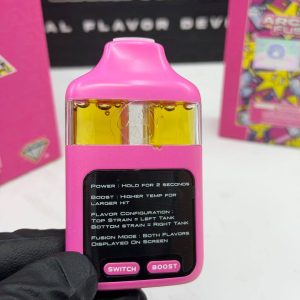
Arcadia Fusion 2G Disposables V2
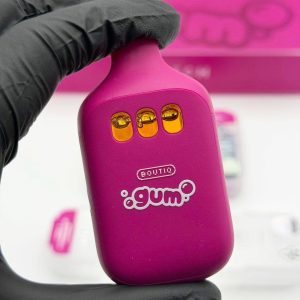
Boutiq Switch Gum 2G Disposable V6

Disposable
Disposable
Clean Carts 2G Disposable Winter Edition
Disposable
Be the first to review “Hitz Safari Edition 2G Disposable”