
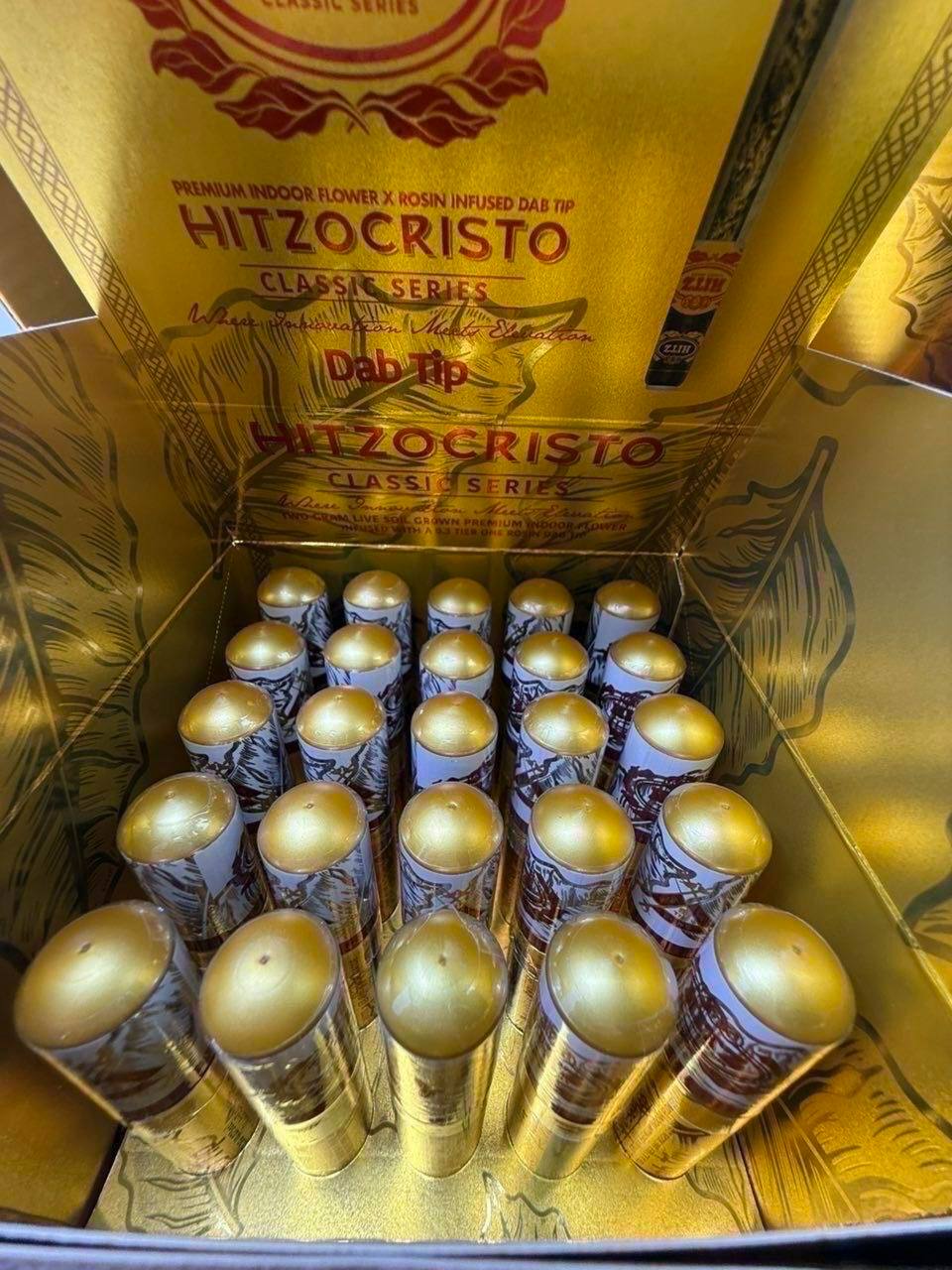
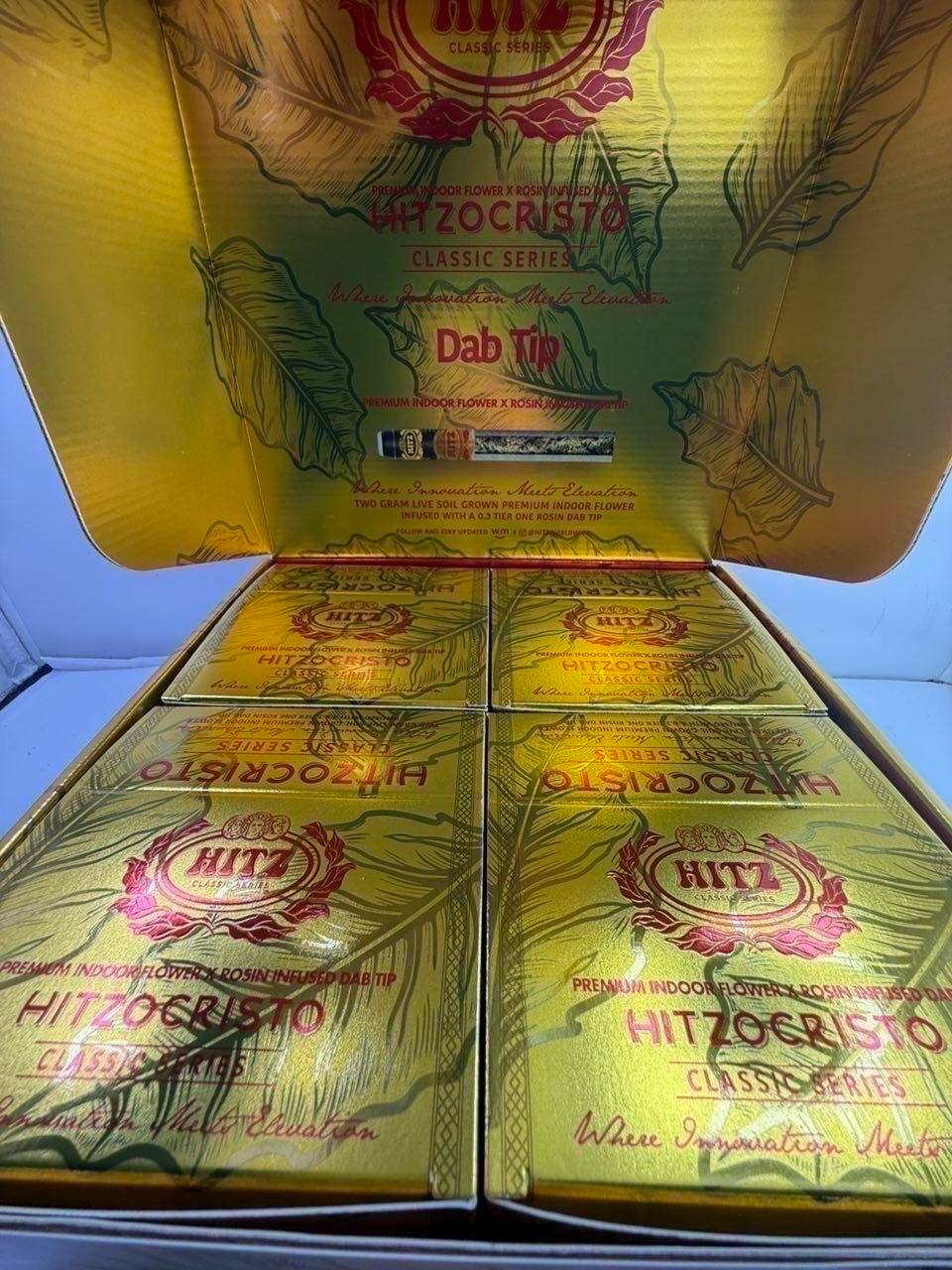
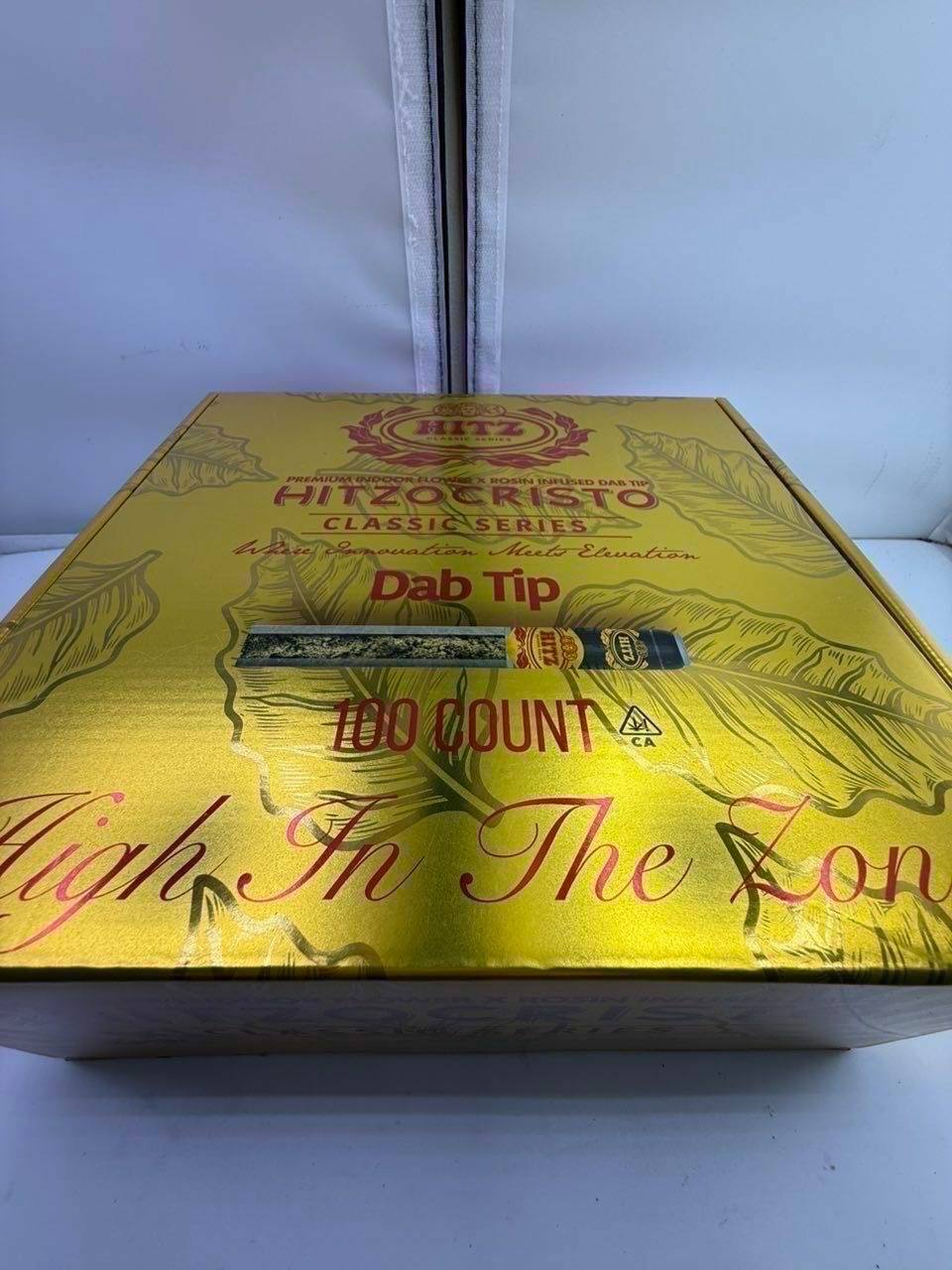

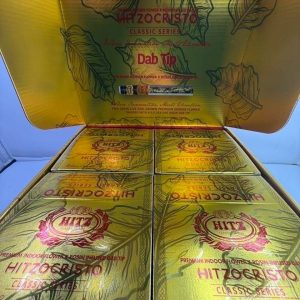
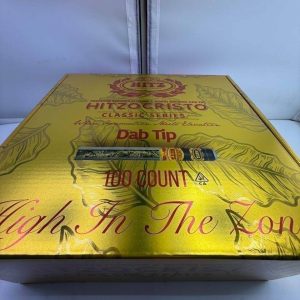

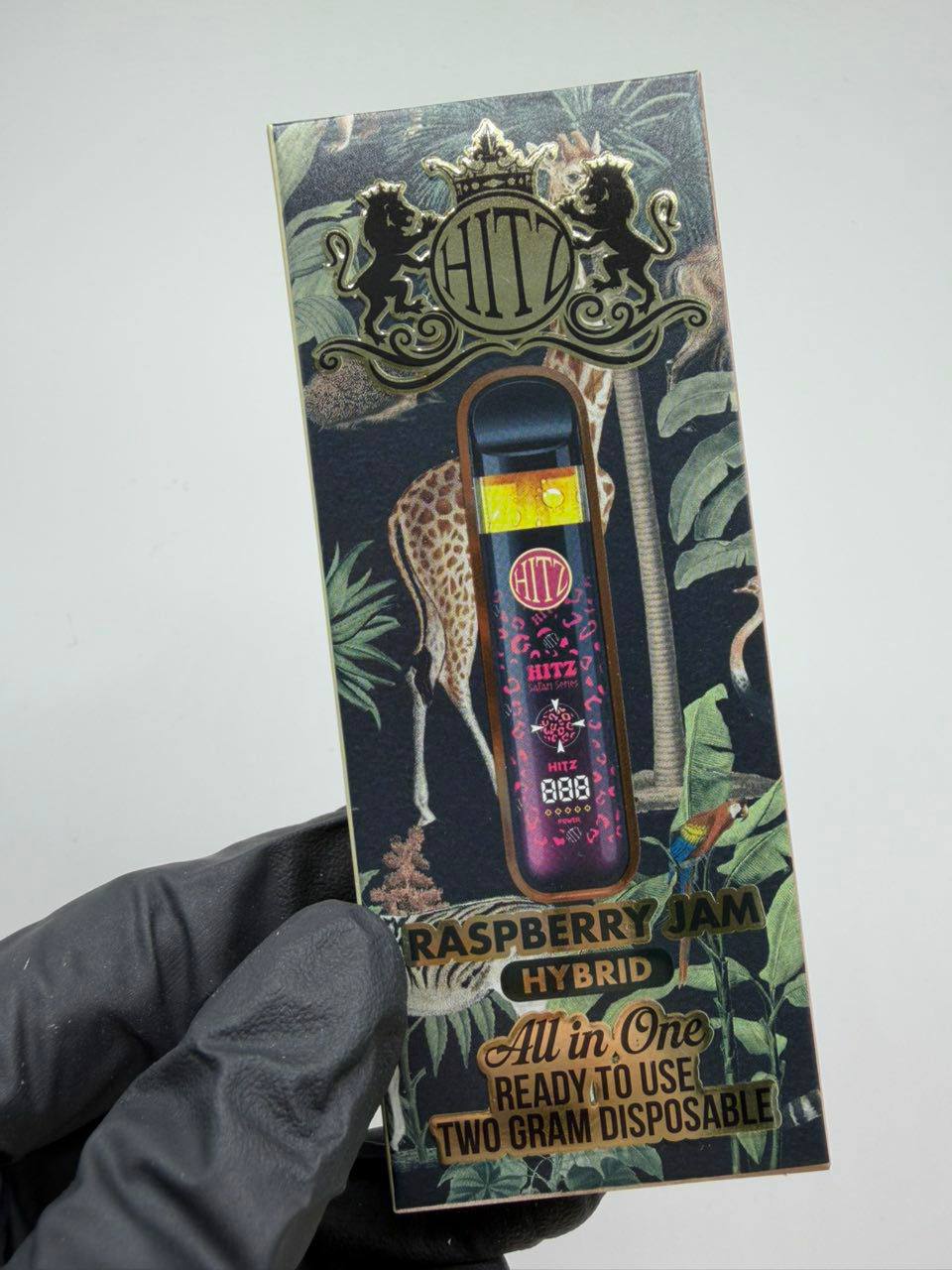
Hitzocristo Classic Series 2G Disposable: Product Information Overview
Introduction
The Hitzocristo Classic Series 2G Disposable represents a modern category of portable vapor devices designed around convenience, compact construction, and simplified use. Disposable devices have become a notable part of the broader vapor product landscape because they combine a pre-filled cartridge system with an integrated battery, creating an all-in-one format.
Unlike traditional vapor hardware that requires separate batteries, tanks, or replacement components, disposable devices are generally manufactured as complete units. This design allows the device to be packaged, transported, and used as a single piece of equipment.
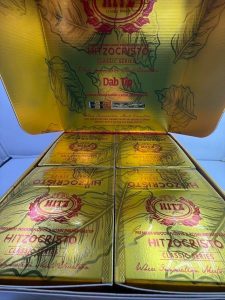
Understanding 2G Disposable Devices
A 2G disposable refers to a device format that contains approximately two grams of material within its reservoir. The larger capacity is designed to provide a longer-lasting format compared with smaller disposable options.
The main components typically include:
- A built-in battery system
- A heating element or atomizer
- A reservoir containing the formulated material
- An airflow pathway
- An external housing designed for portability
Each component works together to create a consistent vapor delivery system. In addition, modern disposable designs often focus on airflow control, battery efficiency, and compact construction.
Device Design and Construction
The Classic Series format highlights the importance of simple device architecture. The exterior structure is generally created to provide a lightweight and portable experience while protecting the internal components.
Furthermore, disposable devices are commonly designed with user convenience in mind. Because the battery and reservoir are integrated, there is no need for separate assembly or replacement parts.
The construction process usually involves multiple quality checks to ensure that hardware components function correctly before packaging. As a result, consistency between individual units becomes an important part of manufacturing standards.
Materials and Technology
Disposable vapor devices rely on several technical elements that influence overall performance. The heating system is one of the most important components because it determines how efficiently the material is converted into vapor.
Modern devices may include features such as:
- Optimized airflow channels
- Rechargeable battery systems in some models
- Improved heating technology
- Leak-resistant reservoir designs
- Compact ergonomic shapes
Additionally, advances in vapor technology have focused on improving reliability and reducing common hardware issues.
Storage and Handling Considerations
Proper storage plays an important role in maintaining the condition of vapor products. Environmental factors such as temperature, moisture, and direct sunlight can affect product stability.
General storage considerations include:
- Keeping products away from extreme temperatures
- Protecting devices from physical damage
- Following manufacturer storage guidance
- Keeping products in appropriate packaging
Moreover, responsible storage practices help preserve the condition of both the hardware and the contents inside the device.
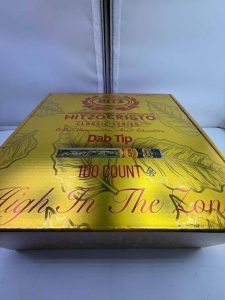
Understanding Ingredients and Formulations
Vapor products may contain different formulations depending on their intended category and regulatory requirements. These formulations can include various compounds, flavor components, and carrier ingredients.
The composition of a product can influence characteristics such as:
- Aroma profile
- Texture
- Vapor production
- Overall user experience
Therefore, reviewing official product information and labeling is important for understanding what a specific device contains.
Packaging and Label Information
Packaging provides important information about a product’s identity, manufacturer details, and usage requirements. Labels may include information such as:
- Product name
- Batch information
- Manufacturing details
- Ingredient information
- Regulatory notices
In addition, proper labeling supports transparency and allows consumers to better understand product specifications.
Disposable Vapor Product Categories
The vapor market includes many different device categories, including:
- Small-capacity disposable devices
- Larger-capacity disposable devices
- Cartridge-based systems
- Refillable vapor systems
Each category offers different design approaches and features. Consequently, product selection often depends on factors such as device format, preferences, and applicable regulations.
Quality Evaluation Factors
When evaluating any manufactured vapor device, several factors may be considered:
Hardware Reliability
A well-designed device typically focuses on battery performance, airflow consistency, and structural durability.
Manufacturing Standards
Quality control procedures are used throughout production to maintain consistency between units.
Product Information Transparency
Clear labeling and accessible information contribute to a better understanding of the product.
Responsible Product Awareness
Understanding how vapor devices are designed and manufactured helps create a more informed perspective. Furthermore, awareness of product specifications, regulations, and safety considerations supports responsible decision-making.
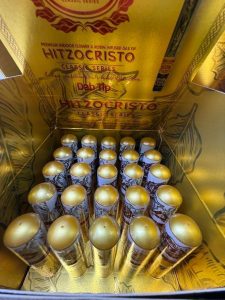
Disposable products exist within a changing industry where technology, manufacturing methods, and regulations continue to develop. As a result, staying informed remains an important part of understanding these devices.
Hitzocristo Classic Series 2G Disposable: Technology, Manufacturing, and Product Awareness
Manufacturing Process Overview
The creation of a disposable vapor device involves several stages, from component production to final packaging. Each stage is designed around consistency, functionality, and product reliability.
Initially, hardware components are produced and inspected according to manufacturing standards. The battery system, heating element, reservoir, and exterior casing are developed separately before being assembled into a complete device.
After assembly, quality checks are commonly performed to evaluate factors such as:
- Device functionality
- Airflow performance
- Component alignment
- Packaging accuracy
- Overall construction quality
Furthermore, manufacturers often use controlled production environments to reduce inconsistencies between individual units. These processes help ensure that finished products meet established specifications.
Battery and Power System Technology
The battery is a central component of any disposable vapor device because it provides the energy required for the heating process. Different devices may use different battery capacities depending on size, design, and intended lifespan.Hitzocristo Classic Series 2G DisposableHitzocristo Classic Series 2G DisposableHitzocristo Classic Series 2G DisposableHitzocristo Classic Series 2G DisposableHitzocristo Classic Series 2G DisposableHitzocristo Classic Series 2G DisposableHitzocristo Classic Series 2G DisposableHitzocristo Classic Series 2G DisposableHitzocristo Classic Series 2G DisposableHitzocristo Classic Series 2G Disposable
Modern disposable devices often focus on balancing:
- Battery efficiency
- Device size
- Heat management
- Performance consistency
In addition, some newer designs incorporate charging capabilities to extend the usable life of the hardware. The integration of battery technology continues to evolve as manufacturers seek improved reliability and efficiency.
Heating System Function
The heating element, sometimes called an atomizer, is responsible for converting the material inside the device into vapor. This process requires controlled heat distribution to support consistent operation.
Several factors influence heating performance, including:
- Coil design
- Material quality
- Temperature control
- Airflow engineering
A properly designed heating system can contribute to smoother operation and more consistent vapor production. However, performance may vary depending on manufacturing quality, storage conditions, and device specifications.
Airflow Engineering
Airflow design plays an important role in the overall function of disposable devices. The pathway through which air moves can affect the way vapor is produced and experienced.
Manufacturers may adjust airflow systems to create different characteristics, such as:
- Tighter airflow resistance
- Increased air movement
- Balanced vapor delivery
Moreover, airflow engineering requires careful design because small changes in internal structure can influence device operation.
Material Preservation and Stability
The contents inside a disposable device can be affected by external conditions. Temperature changes, exposure to light, and improper storage may influence the stability of the material.
General preservation considerations include:
- Avoiding excessive heat exposure
- Limiting unnecessary handling
- Maintaining proper packaging conditions
- Following manufacturer recommendations
Additionally, stable storage conditions help maintain the intended condition of the product throughout its shelf life.
Differences Between Disposable and Traditional Systems
Disposable devices differ from traditional vapor systems in several ways.
Traditional systems often require:
- Separate batteries
- Replaceable components
- Regular maintenance
- Manual assembly
Disposable formats, on the other hand, combine multiple components into one integrated design. Therefore, they are often associated with simplicity and portability.
However, different formats serve different purposes, and individual preferences may vary depending on convenience, maintenance requirements, and product expectations.
The Role of Product Testing
Testing is an important part of manufacturing and quality assurance. Various evaluations may be performed before products reach distribution channels.
Testing processes may examine:
- Hardware functionality
- Component performance
- Packaging accuracy
- Manufacturing consistency
Furthermore, responsible production practices rely on documentation and quality procedures to maintain standards.
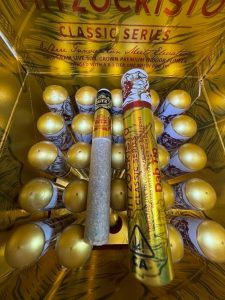
Understanding Product Labels
Labels provide essential information about manufactured products. Reading available product details allows individuals to better understand specifications and characteristics.
Important label elements may include:
- Product identification
- Manufacturer information
- Batch references
- Required warnings
- Regulatory details
Consequently, accurate labeling supports transparency between manufacturers, retailers, and consumers.
Industry Development and Innovation
The vapor technology industry has experienced continuous development as manufacturers explore improved designs and production methods.
Innovation has focused on areas such as:
- More efficient power systems
- Better airflow designs
- Enhanced hardware durability
- Improved manufacturing processes
As technology advances, disposable devices continue to change in response to engineering improvements and regulatory developments.
Frequently Asked Questions
What does “2G disposable” mean?
A 2G disposable generally refers to a disposable device format with approximately two grams of material capacity. The term describes the size category rather than a specific performance level.
How does a disposable vapor device work?
A disposable device typically uses a battery-powered heating element to convert material inside the reservoir into vapor. The integrated components work together as a single system.
What are the main parts of a disposable device?
The main parts usually include a battery, heating element, reservoir, airflow pathway, and protective exterior housing.
Why is storage important?
Storage conditions can influence product stability and hardware condition. Proper handling helps maintain the intended quality of manufactured products.
How are disposable devices different from cartridges?
Disposable devices usually combine the battery and reservoir into one unit, while cartridge systems typically require a separate compatible battery.
| Quantity | 5pc Mix Flavors, 10pc Mix Flavors, 25pc Mix Flavors, 50pc Mix Flavors, 100pc Mix Flavors |
|---|
Reviews
There are no reviews yet.
Related products
Clean Carts 2G Disposable Winter Edition
Death Bubba THC Vape Carts Resin Unicorn Hunter

Clean Carts 2G Disposable World Cup Edition
Arcadia Fusion 2G Disposables V2
Disposable
Cook’d 3 in 1 2G Disposable

Ace Ultra Premium 2G Disposable World Cup Edition
Disposable
Be the first to review “Hitzocristo Classic Series 2G Hitzocristo Classic Series 2G Disposable”