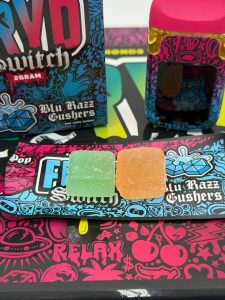



Understanding New Fryd Switch 2G Disposable With Gummies Dual-Format Cannabis Products: Devices, Edibles, and Consumer Considerations
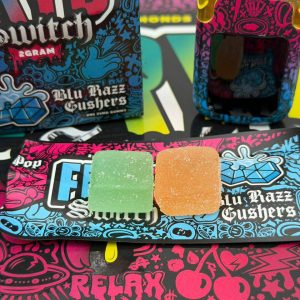
The New Fryd Switch 2G Disposable With Gummies Cannabis products have evolved into many different formats, including inhalable devices, edible products, concentrates, and infused items. Each format has different characteristics related to composition, use experience, onset time, and storage requirements.
Product Format Overview
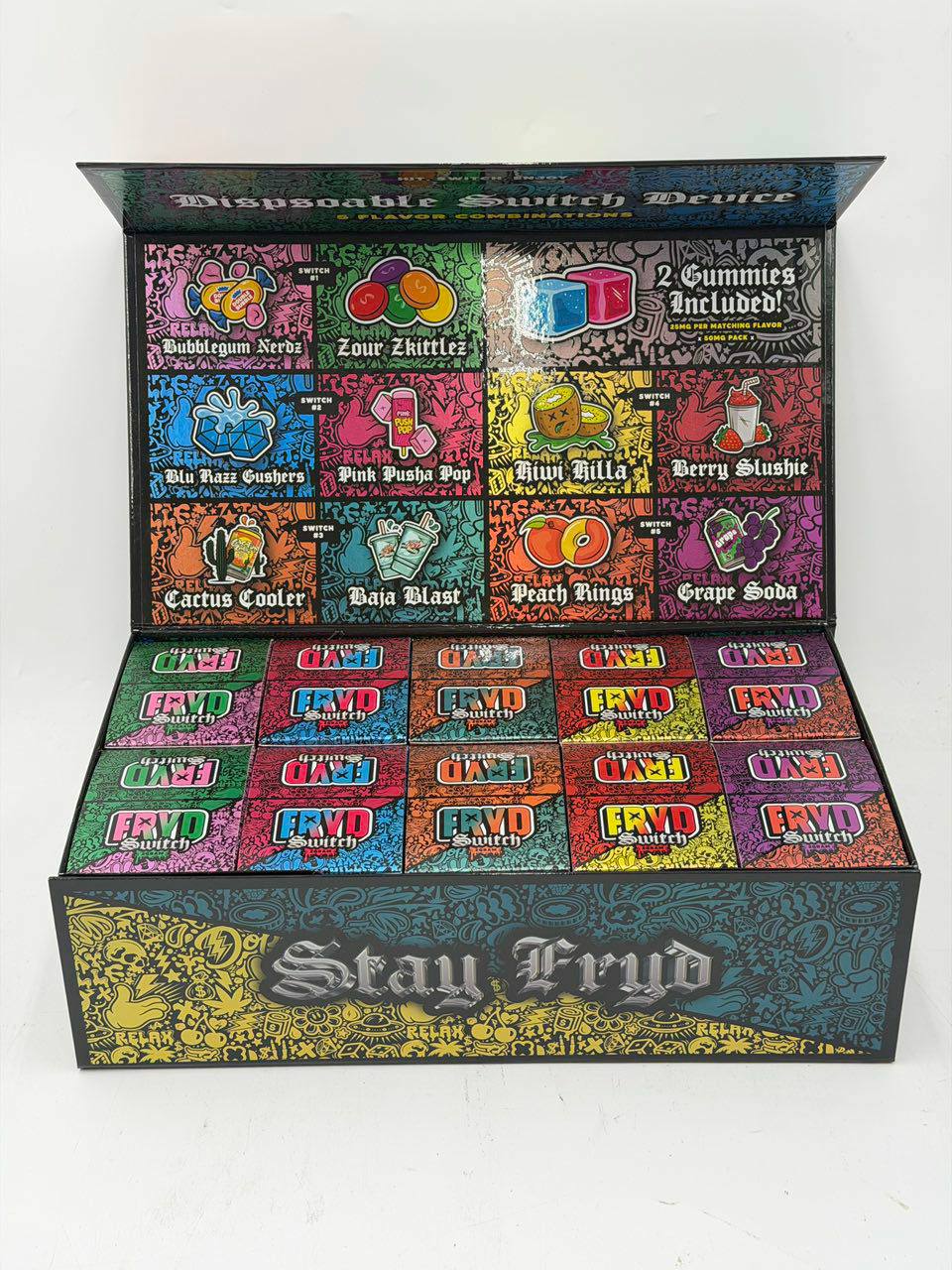
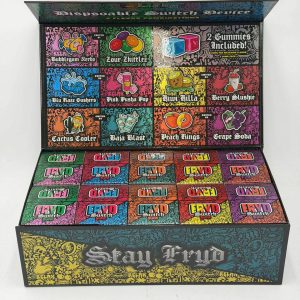
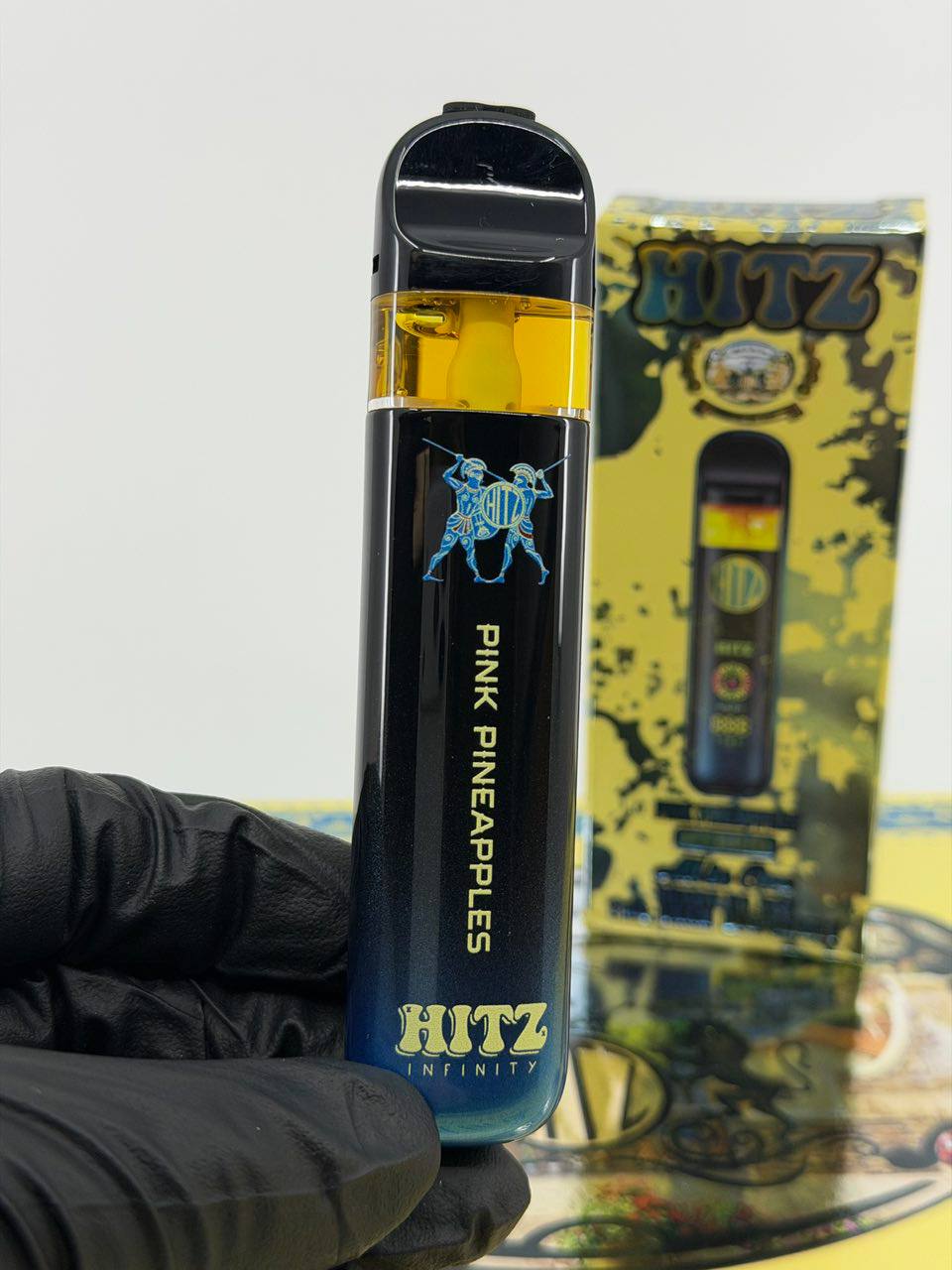
Disposable vapor devices are designed as pre-filled units that combine a cartridge system, heating element, and battery into one compact product. These devices typically contain a cannabis-derived extract or formulation intended to be heated and inhaled. Their design has changed over time, with newer versions often focusing on portability, hardware improvements, and user convenience.

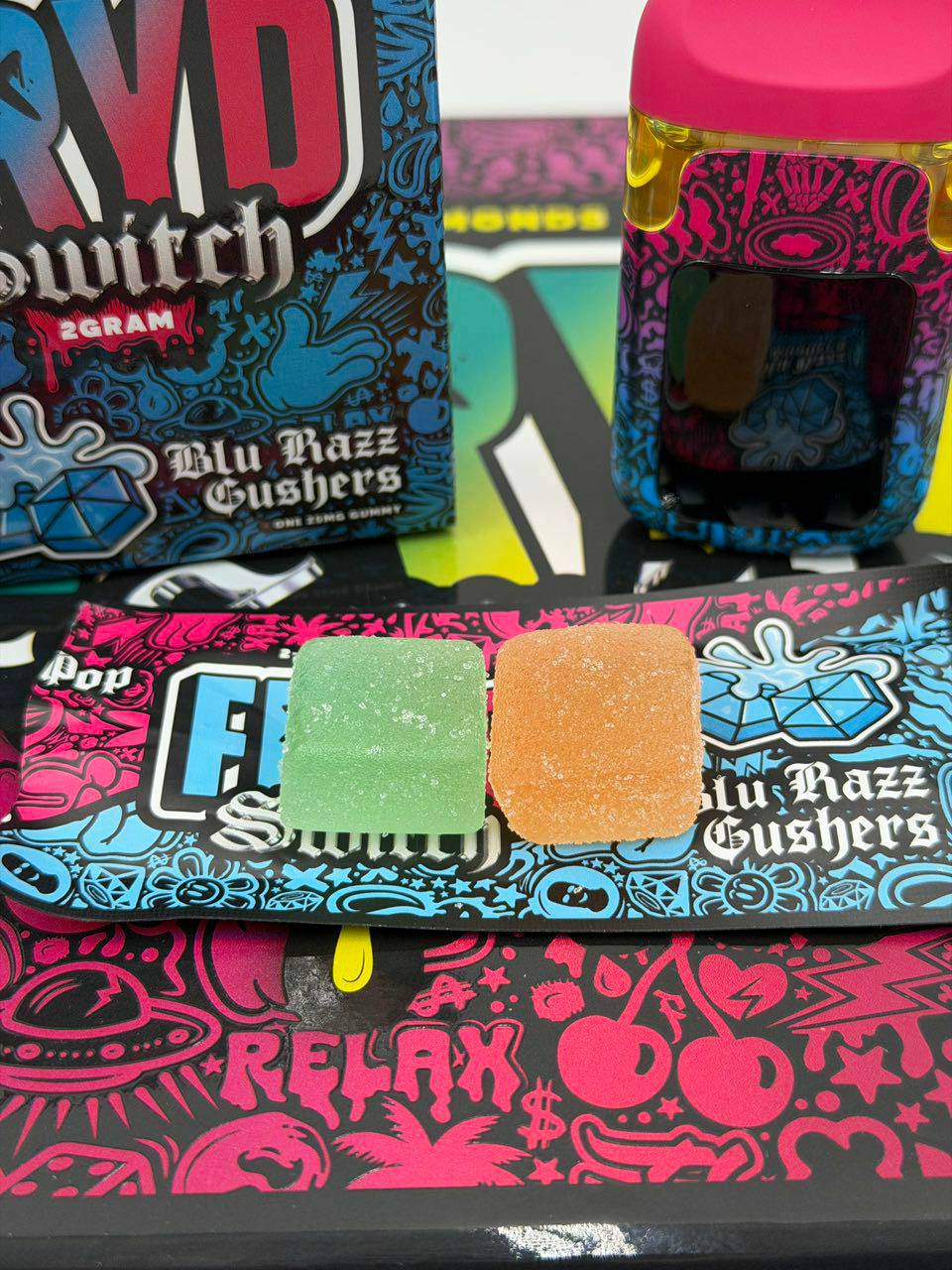
Edible cannabis products, including gummies, represent another category. Unlike inhaled products, edibles are processed through the digestive system, which can result in a different timeline and experience. Factors such as ingredients, serving size, metabolism, and individual sensitivity may influence how edible products are experienced.
Quality and Manufacturing Factors
The quality of cannabis-related products can depend on several factors, including ingredient sourcing, manufacturing practices, testing procedures, and packaging standards. Laboratory testing is commonly used in regulated markets to evaluate cannabinoid content, contaminants, and overall product consistency.
Storage Considerations
Proper storage plays an important role in maintaining product stability. Temperature, light exposure, and moisture levels can affect the condition of many cannabis-derived products. Packaging designed for protection can help preserve quality during storage and transportation.
Understanding Cannabinoids and Terpenes
Cannabinoids are naturally occurring compounds found in cannabis plants. THC and CBD are among the most widely recognized cannabinoids, while terpenes contribute to the plant’s aroma and flavor characteristics. Research into these compounds continues to develop as scientists explore their properties and interactions.
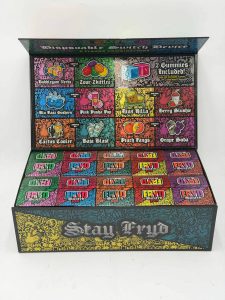
Understanding Dual-Format Cannabis Products: Devices, Edibles, and Consumer Considerations (Continued)
Differences Between Inhaled and Edible Formats
Cannabis products can vary significantly depending on how they are delivered. Inhaled formats involve compounds entering the body through the respiratory system, while edible formats are processed through digestion. Because these pathways are different, the timing, duration, and overall experience can vary.
Inhaled products are often associated with a faster onset because compounds are absorbed through the lungs. Edible products typically take longer because digestion and metabolism are involved. Additionally, individual factors such as body composition, food intake, and personal tolerance can influence how someone responds to different product formats.
The Role of Product Design
Modern cannabis-related products often feature advanced designs intended to improve portability and ease of use. Disposable devices may include integrated batteries, pre-filled chambers, and specialized heating components. These design elements are developed to create a consistent experience throughout the product’s usable lifespan.
Similarly, edible products involve careful formulation. Manufacturers may focus on ingredient selection, texture, flavor development, and portion consistency. Gummies, for example, require attention to factors such as gelatin or alternative binders, flavor compounds, sweeteners, and stability during storage.
Importance of Testing and Transparency
Testing and transparency are important aspects of regulated cannabis markets. Reliable testing programs may examine products for cannabinoid levels, unwanted substances, and manufacturing consistency.

Clear labeling can help consumers understand important information, including:
- Ingredient lists
- Serving information
- Manufacturing details
- Laboratory testing results
- Storage recommendations
- Regulatory compliance information
These details provide a clearer understanding of what a product contains and how it has been handled before reaching the consumer.
Packaging and Preservation
Packaging serves several purposes beyond appearance. It can help protect products from environmental factors such as heat, air exposure, and moisture. For many cannabis-related products, maintaining stable conditions is important because cannabinoids and aromatic compounds can change over time.
Effective packaging may include features designed to reduce exposure to damaging conditions. In regulated environments, packaging requirements are often established to support safety standards and responsible handling.
Exploring Cannabis Plant Compounds
The cannabis plant contains hundreds of naturally occurring compounds. Cannabinoids receive significant attention because of their interaction with the body’s endocannabinoid system. THC and CBD are among the most studied examples, although researchers continue to examine additional cannabinoids.
Terpenes are another important group of plant compounds. These aromatic molecules are found in many plants beyond cannabis, including herbs, fruits, and flowers. Within cannabis research, terpenes are often studied for their contribution to scent, flavor characteristics, and potential interactions with other plant compounds.
Responsible Information and Consumer Awareness
As cannabis products become more diverse, access to accurate information becomes increasingly important. Understanding product categories, ingredients, testing practices, and legal requirements can help individuals make informed decisions within their local regulations.
Cannabis laws differ widely between regions, and product availability, labeling rules, and possession requirements may change over time. Checking local regulations and relying on verified information sources can provide better awareness of legal responsibilities.
The Future of Cannabis Product Development
Innovation continues to influence the cannabis industry. Researchers and manufacturers are exploring new extraction methods, improved formulations, and more precise testing technologies. Future developments may focus on consistency, safety, sustainability, and improved understanding of cannabis chemistry.

As scientific research expands, education remains an important part of understanding cannabis products. A balanced approach that considers both technological developments and responsible use practices allows for a clearer view of this evolving field.
Understanding Dual-Format Cannabis Products: Devices, Edibles, and Consumer Considerations (Continued)
Manufacturing Processes and Quality Control
The creation of cannabis-related products involves multiple stages that require careful attention to consistency and quality. Depending on the product category, manufacturers may work with different extraction, formulation, and packaging processes.New Fryd Switch 2G Disposable With Gummies New Fryd Switch 2G Disposable With Gummies New Fryd Switch 2G Disposable With Gummies New Fryd Switch 2G Disposable With Gummies New Fryd Switch 2G Disposable With Gummies New Fryd Switch 2G Disposable With Gummies New Fryd Switch 2G Disposable With Gummies New Fryd Switch 2G Disposable With Gummies New Fryd Switch 2G Disposable With Gummies New Fryd Switch 2G Disposable With Gummies
For inhalable products, production often involves preparing cannabis extracts and combining them with other approved ingredients according to specific formulas. Equipment calibration, cleanliness standards, and quality checks are important parts of maintaining consistency throughout production.
For edible products, the manufacturing process may involve several steps, including ingredient preparation, mixing, portion control, and packaging. Since edible products are consumed rather than inhaled, additional attention is often given to ingredient stability and accurate labeling.
Quality control procedures are designed to identify potential issues before products reach regulated markets. These procedures may include laboratory analysis, batch tracking, and documentation practices that help maintain accountability throughout the supply chain.
Understanding Product Labels
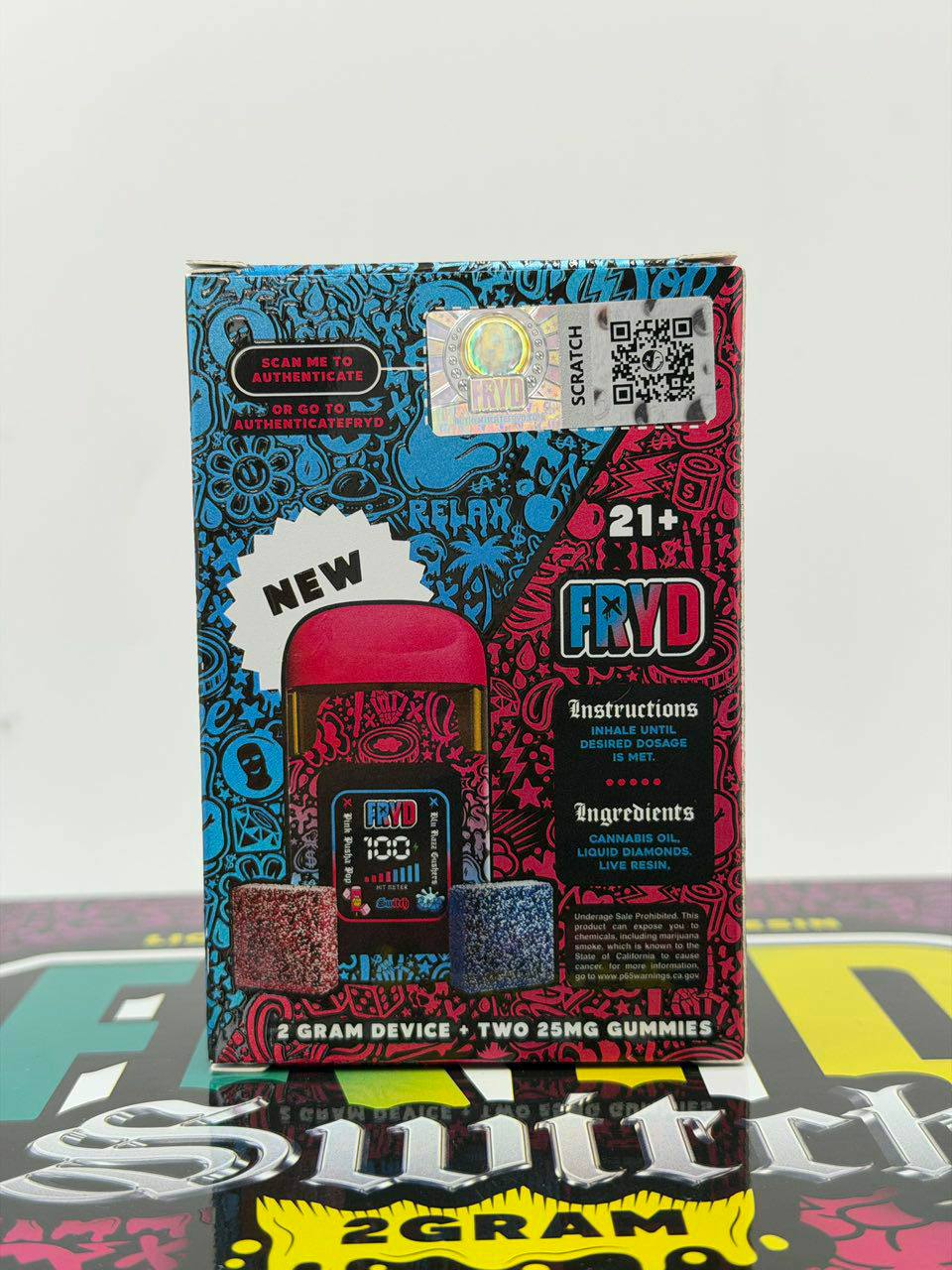
Product labels provide important information that helps explain what a product contains and how it was produced. Depending on regional requirements, labels may include details such as cannabinoid amounts, ingredients, warnings, batch numbers, and testing information.
Reading labels carefully can provide insight into product composition and help distinguish between different categories of products. Clear labeling also supports transparency between manufacturers, retailers, and consumers.
Common label elements may include:
- Product name and category
- Ingredient information
- Cannabinoid content
- Manufacturing date or batch identification
- Testing details where required
- Storage recommendations
- Regulatory statements
The availability of accurate labeling supports better understanding and encourages informed decision-making.
The Importance of Storage Conditions
Storage conditions can influence the stability of many cannabis-derived products. Exposure to excessive heat, direct sunlight, or moisture may affect certain compounds over time.
Different product formats may have different storage considerations. Some products are designed to remain stable at room temperature, while others may require additional care depending on their ingredients and packaging.
General factors that can influence product stability include:
- Temperature changes
- Light exposure
- Air contact
- Humidity levels
- Packaging quality
Proper storage practices help maintain product condition and reduce unnecessary degradation.
Research and Scientific Development
Scientific interest in cannabis continues to grow as researchers investigate the plant’s chemical components and potential applications. Studies have examined cannabinoids, terpenes, and other naturally occurring compounds to better understand their characteristics.
Research has expanded into areas such as:
- Cannabis chemistry
- Extraction technology
- Agricultural practices
- Plant genetics
- Product formulation methods
- Laboratory testing improvements
As scientific methods become more advanced, researchers continue to gather information about how different compounds interact and how products can be evaluated more accurately.
Sustainability in Cannabis Production
Environmental considerations have become an increasingly discussed topic within cannabis cultivation and manufacturing. Producers may explore methods that reduce waste, improve resource efficiency, and support responsible production practices.
Sustainability efforts can involve:

- Energy-efficient equipment
- Responsible water management
- Reduced packaging waste
- Recycling initiatives
- Improved agricultural techniques
The focus on sustainability reflects broader changes occurring across many agricultural and manufacturing industries.
Legal and Regulatory Considerations
Cannabis regulations vary significantly around the world. Some regions allow certain cannabis products under specific conditions, while others restrict or prohibit their production and distribution.
Regulatory systems may establish requirements related to:
- Licensing
- Manufacturing standards
- Testing procedures
- Packaging rules
- Advertising limitations
- Distribution requirements
Understanding local laws is an important part of evaluating cannabis-related products. Regulations may continue to change as governments review scientific findings and public policy considerations.
Consumer Education and Product Awareness
Education plays a major role in understanding modern cannabis products. Because product formats continue to evolve, reliable information helps people recognize differences between categories and understand factors that influence product characteristics.
Understanding Dual-Format Cannabis Products: Devices, Edibles, and Consumer Considerations (Continued)
Emerging Technologies in Cannabis Product Development
Technology continues to influence how cannabis-related products are developed, tested, and evaluated. Advances in manufacturing equipment, analytical testing, and agricultural methods have created new opportunities for improving consistency and understanding product characteristics.New Fryd Switch 2G Disposable With Gummies New Fryd Switch 2G Disposable With Gummies New Fryd Switch 2G Disposable With Gummies New Fryd Switch 2G Disposable With Gummies
Modern laboratory techniques allow researchers and manufacturers to examine plant compounds with greater accuracy. These methods can provide detailed information about cannabinoid profiles, aromatic compounds, and other chemical components.
In addition, advancements in cultivation technology have contributed to more controlled growing environments. Factors such as lighting systems, environmental monitoring, and plant genetics research have become important areas of discussion within the industry.
Innovations in Extraction and Formulation
Extraction methods play an important role in creating different cannabis product formats. Various techniques are used to separate desired plant compounds from raw plant material, with each method having its own characteristics.
Researchers continue to explore ways to improve:
- Compound separation
- Product consistency
- Testing accuracy
- Ingredient stability
- Manufacturing efficiency
Formulation science also continues to develop as producers study how different ingredients interact. These efforts focus on creating consistent products while maintaining appropriate quality standards.
Understanding Product Consistency
Consistency is an important topic in many consumer product industries, including cannabis. A consistent manufacturing process can help ensure that products meet established specifications from one batch to another.
Several factors may influence consistency, including:
- Raw material quality
- Production methods
- Equipment performance
- Testing procedures
- Storage conditions
Standardized processes and careful documentation help manufacturers identify differences between batches and maintain quality control.
The Role of Laboratory Testing
Laboratory testing provides information about the composition and characteristics of cannabis products. In regulated markets, testing requirements are often established to support consumer safety and product transparency.
Testing may evaluate areas such as:
- Cannabinoid concentration
- Potential contaminants
- Microbial presence
- Chemical residues
- Product stability
The information generated through testing can support regulatory compliance and provide additional details about product composition.
Comparing Product Categories
Cannabis products exist in several categories, each with different characteristics. Flower, concentrates, disposable devices, and edible products all represent different approaches to delivering cannabis compounds.
Cannabis flower is the dried plant material traditionally associated with the cannabis plant. Concentrates involve processed forms where certain plant compounds have been separated or refined. Disposable devices generally contain formulated extracts, while edible products are created for oral consumption.
Each category involves different manufacturing considerations, storage needs, and regulatory requirements.
Consumer Preferences and Market Evolution
Consumer interests have influenced the development of new cannabis product formats. Preferences related to convenience, portability, flavor options, and product variety have contributed to changes in the marketplace.
As demand for different formats changes, manufacturers often explore new designs and formulations. However, product development remains influenced by regulations, available technology, and scientific understanding.
Frequently Asked Questions
What are cannabis product formats?
Cannabis product formats describe the different ways cannabis compounds are prepared and presented. Examples include dried flower, extracts, vapor products, and edible formulations.
Why are testing standards important?
Testing standards help evaluate product characteristics and provide information about composition, quality, and regulatory compliance.
What factors affect product stability?
Temperature, light exposure, moisture, packaging, and ingredient composition can influence how products maintain their condition over time.
Why do labels contain detailed information?
Labels provide information about ingredients, product specifications, manufacturing details, and other required disclosures depending on local regulations.
How do regulations affect cannabis products?
Regulations influence how products are produced, tested, packaged, labeled, and distributed within specific regions.
Conclusion
Cannabis product development continues to evolve as science, technology, and regulations change. Different product categories offer distinct characteristics, and understanding these differences can provide a clearer perspective on the broader industry.
From manufacturing methods and testing procedures to packaging and sustainability efforts, many factors contribute to how cannabis products are created and evaluated. Continued research and responsible information sharing remain important as the field continues to develop.
A balanced understanding of cannabis-related products involves examining scientific information, regulatory requirements, and manufacturing practices. Through education and transparency, people can better understand the complex processes behind modern cannabis product categories.
Understanding Dual-Format Cannabis Products: Devices, Edibles, and Consumer Considerations (Continued)
The Importance of Responsible Product Information
As cannabis-related products continue to develop, accurate information becomes increasingly valuable. Product descriptions, labels, and educational materials can influence how people understand different formats, ingredients, and manufacturing processes.
Clear communication helps separate factual information from assumptions. A well-structured information system allows people to learn about product composition, regulatory requirements, and scientific findings without confusion.
Responsible information often includes details about:
- Product category definitions
- Ingredient transparency
- Manufacturing practices
- Testing procedures
- Regional regulations
- Storage considerations
These factors contribute to a broader understanding of how cannabis products are created and evaluated.
Advances in Packaging Technology
Packaging has become an important area of innovation across many industries, including cannabis. Modern packaging solutions are designed to support product protection, information sharing, and compliance with applicable standards.
Packaging development may focus on:
- Protecting products from environmental exposure
- Maintaining product integrity
- Providing accurate labeling information
- Supporting transportation requirements
- Meeting regulatory expectations
As regulations continue to evolve, packaging systems may also change to address new safety and information requirements.
Agricultural Research and Plant Development
Cannabis cultivation involves a combination of traditional agricultural practices and modern research techniques. Scientists and growers study factors that influence plant characteristics, including genetics, environmental conditions, and cultivation methods.
Agricultural research may explore:
- Plant genetics
- Growing environments
- Soil and nutrient management
- Sustainability practices
- Harvest timing
- Post-harvest handling
These areas contribute to a deeper understanding of how cannabis plants develop and how their characteristics may vary.
Post-Harvest Processing and Preservation
After cultivation, cannabis plant material may undergo several stages of handling and preparation. These stages can influence characteristics such as moisture levels, stability, and overall condition.
Post-harvest processes may include:
- Drying methods
- Curing practices
- Quality inspections
- Storage preparation
- Packaging procedures
Careful handling during these stages is important because environmental conditions can affect plant compounds over time.
The Science Behind Aromatic Compounds
Aromatic compounds, including terpenes, contribute to the natural scent profiles found in many plants. In cannabis research, terpenes are studied because they contribute to the plant’s chemical diversity.
Different terpene combinations may create different aromatic characteristics. Researchers continue to investigate how these compounds interact with cannabinoids and other plant components.
Common areas of terpene research include:
- Chemical structure
- Natural occurrence
- Plant interactions
- Stability during processing
- Analytical measurement methods
The Growing Role of Data and Technology
Data collection and technology are becoming increasingly important in cannabis research and manufacturing. Digital systems can help track production information, monitor conditions, and organize laboratory results.
Technology may support:
- Inventory management
- Quality documentation
- Laboratory reporting
- Agricultural monitoring
- Regulatory recordkeeping
These tools allow businesses and researchers to better understand production processes and maintain detailed records.New Fryd Switch 2G Disposable With Gummies New Fryd Switch 2G Disposable With Gummies New Fryd Switch 2G Disposable With Gummies New Fryd Switch 2G Disposable With Gummies New Fryd Switch 2G Disposable With Gummies
Global Perspectives on Cannabis Regulation
Cannabis regulations differ widely across countries and regions. Some locations have developed structured regulatory systems, while others maintain strict limitations.
Regulatory approaches may address:
- Cultivation permissions
- Manufacturing requirements
- Testing obligations
- Distribution rules
- Marketing restrictions
Because laws vary, understanding the rules in a specific location is essential when discussing cannabis-related products.
The Future of Cannabis Education
Education continues to play an important role as cannabis science develops. As new research becomes available, public understanding may improve through accurate and balanced resources.
Future educational efforts may focus on:
- Expanding scientific knowledge
- Improving public awareness
- Supporting regulatory understanding
- Explaining product differences
- Encouraging responsible decision-making
The continued development of research, technology, and regulation will likely shape how cannabis products are studied and understood in the years ahead.New Fryd Switch 2G Disposable With Gummies New Fryd Switch 2G Disposable With Gummies New Fryd Switch 2G Disposable With Gummies New Fryd Switch 2G Disposable With Gummies New Fryd Switch 2G Disposable With Gummies


Be the first to review “New Fryd Switch 2G Disposable With Gummies”